Wildlife

The primates of Anacã

Six primate species recorded at Fazenda Anacã, and an experience devoted to watching and photographing them.

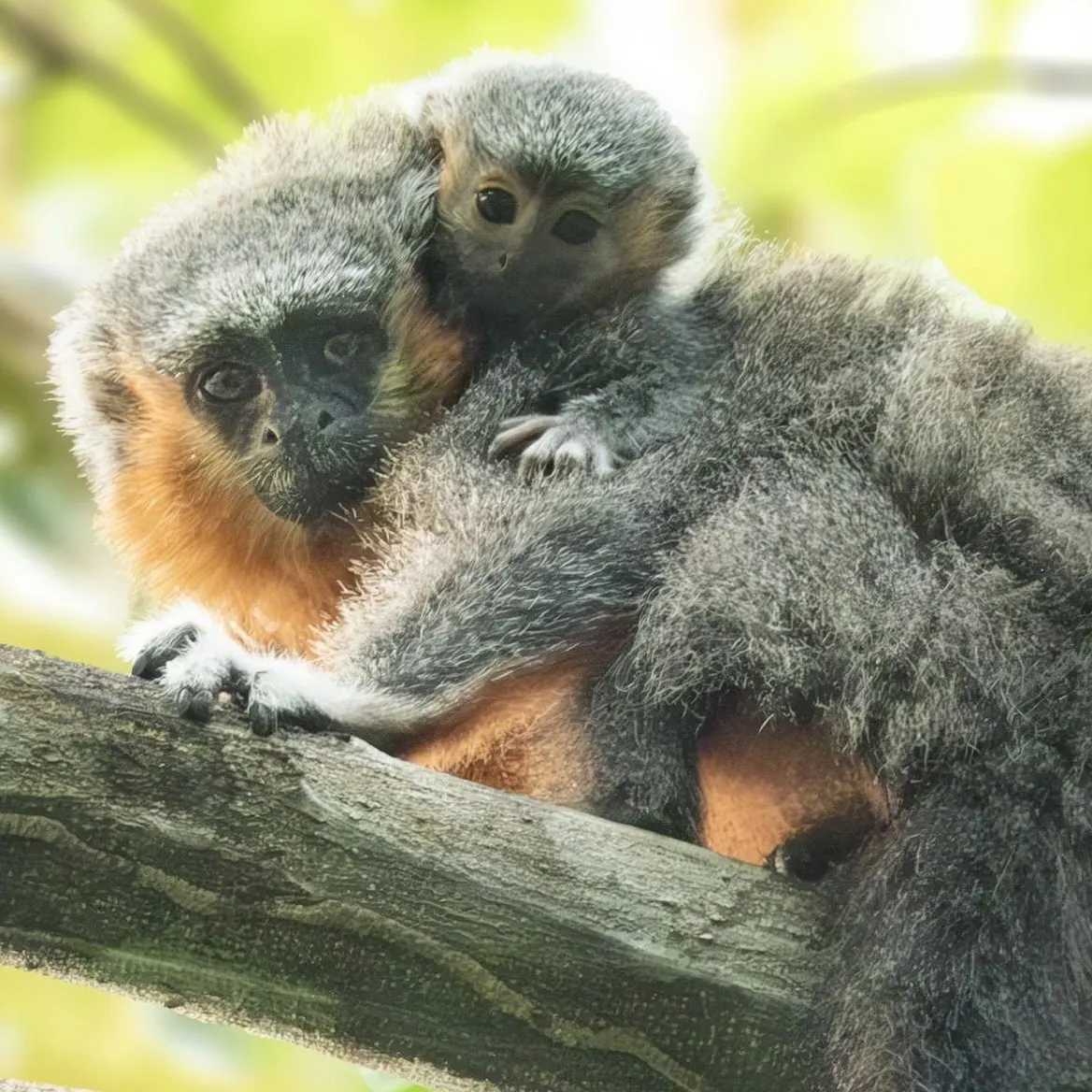
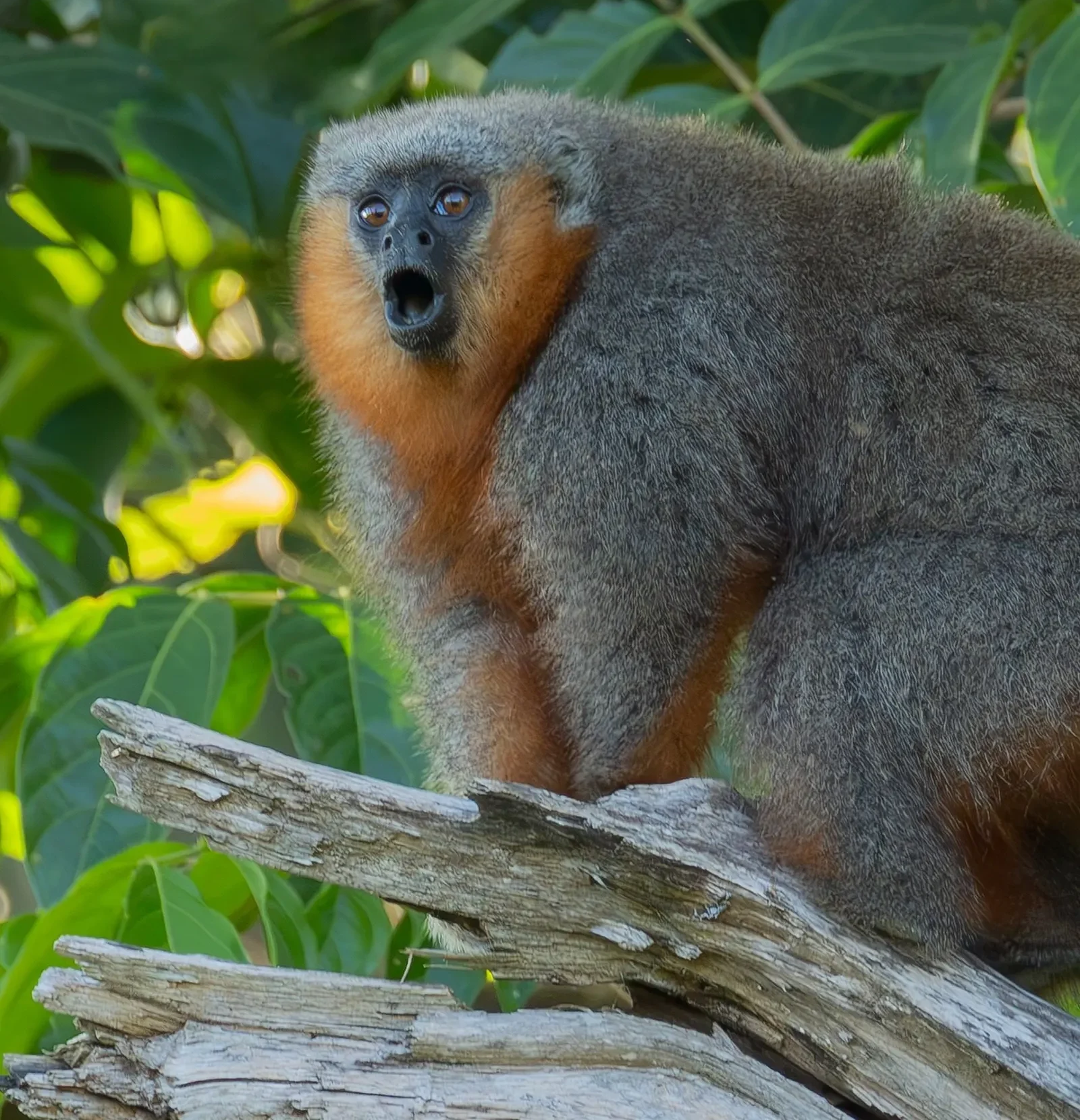
Alta Floresta titi
Alta Floresta titi
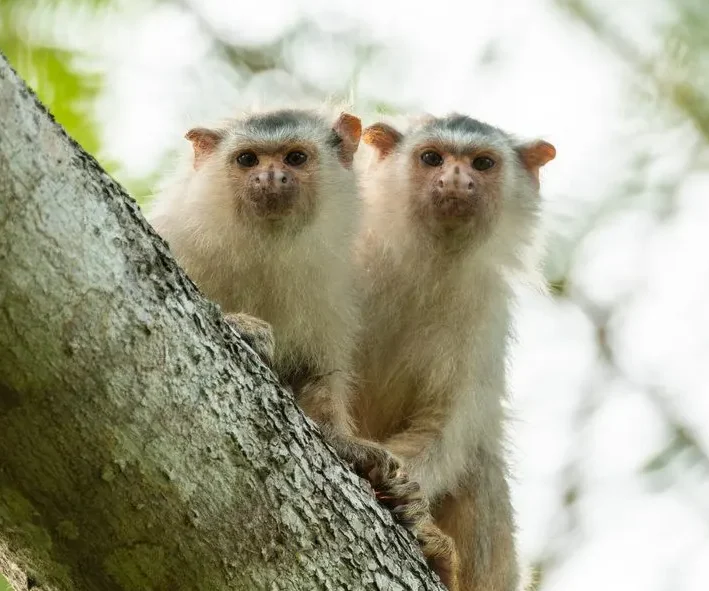
Schneider's marmoset
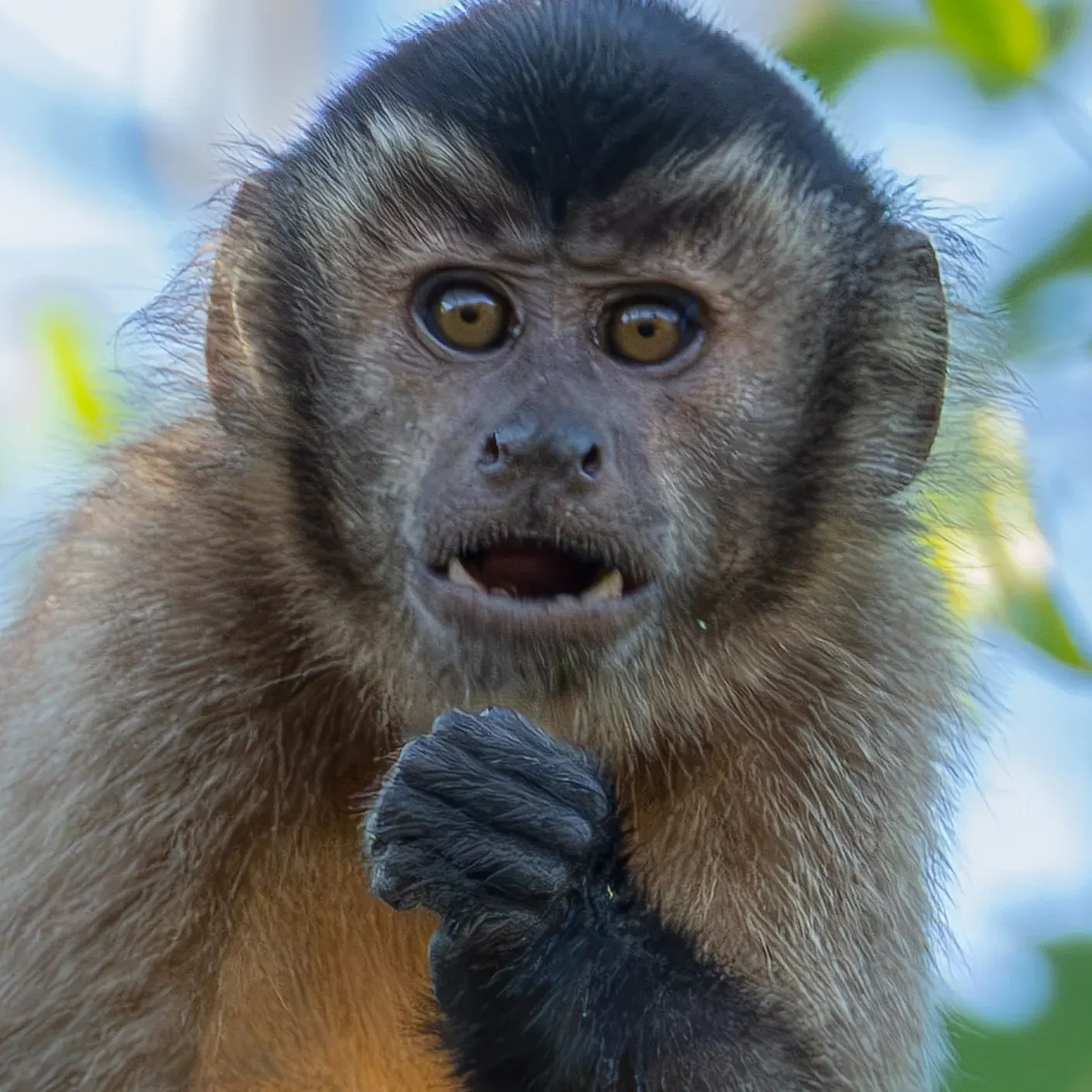
Brown capuchin
Brown capuchin
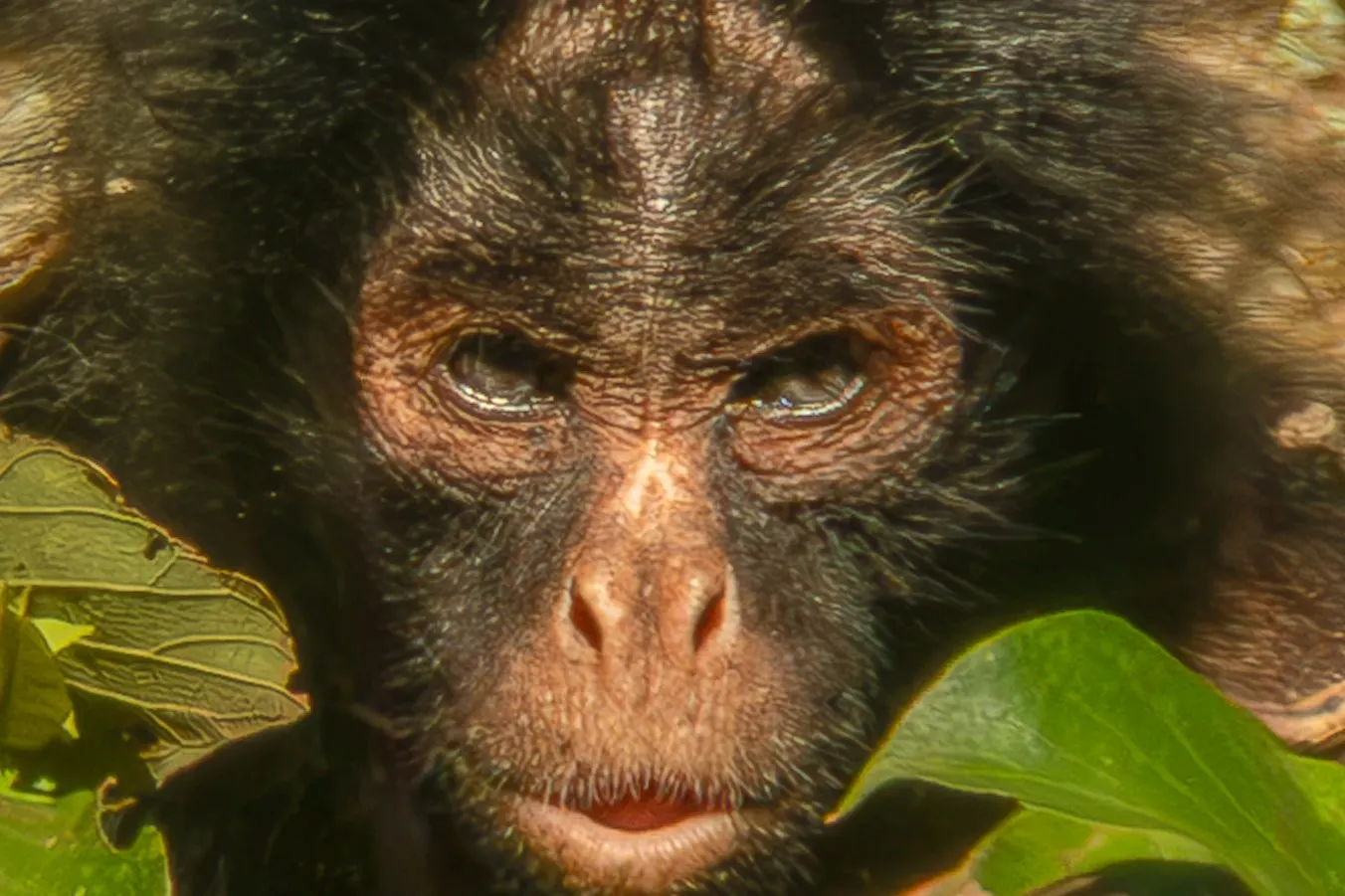
Black-faced spider monkey
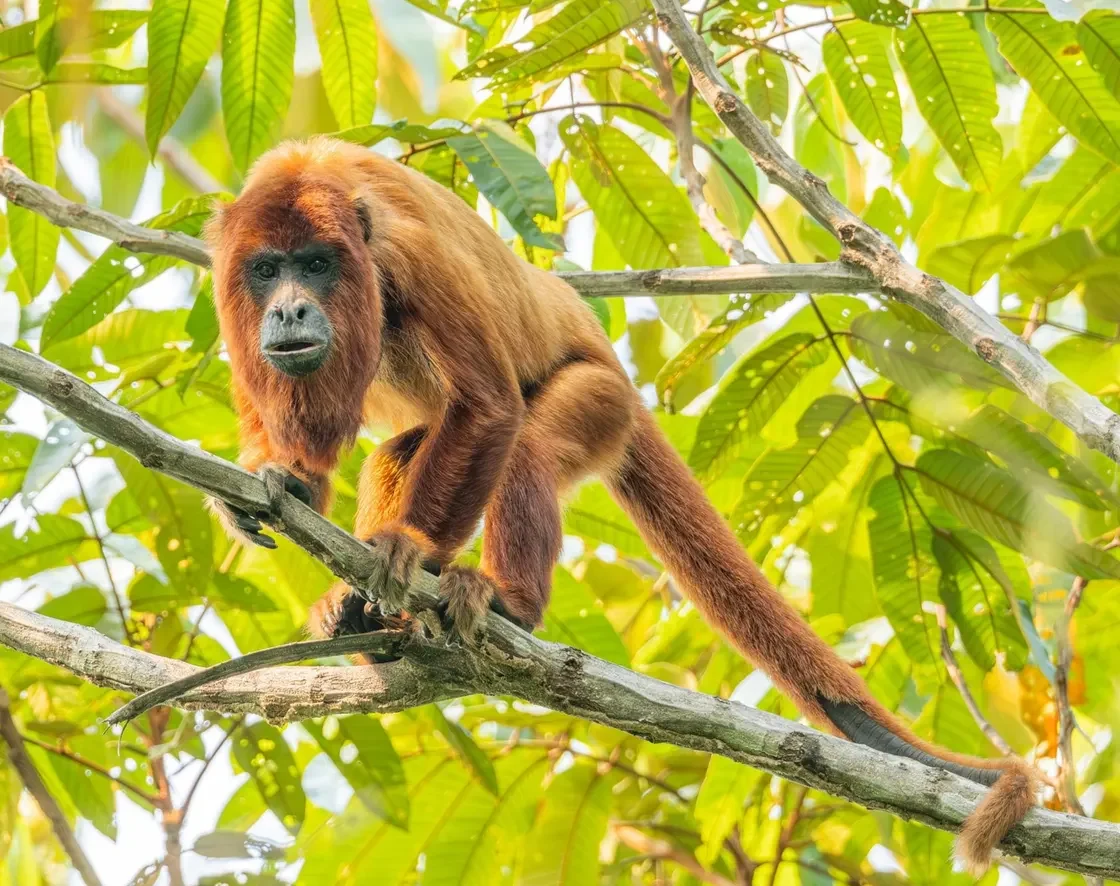
Mato Grosso red howler
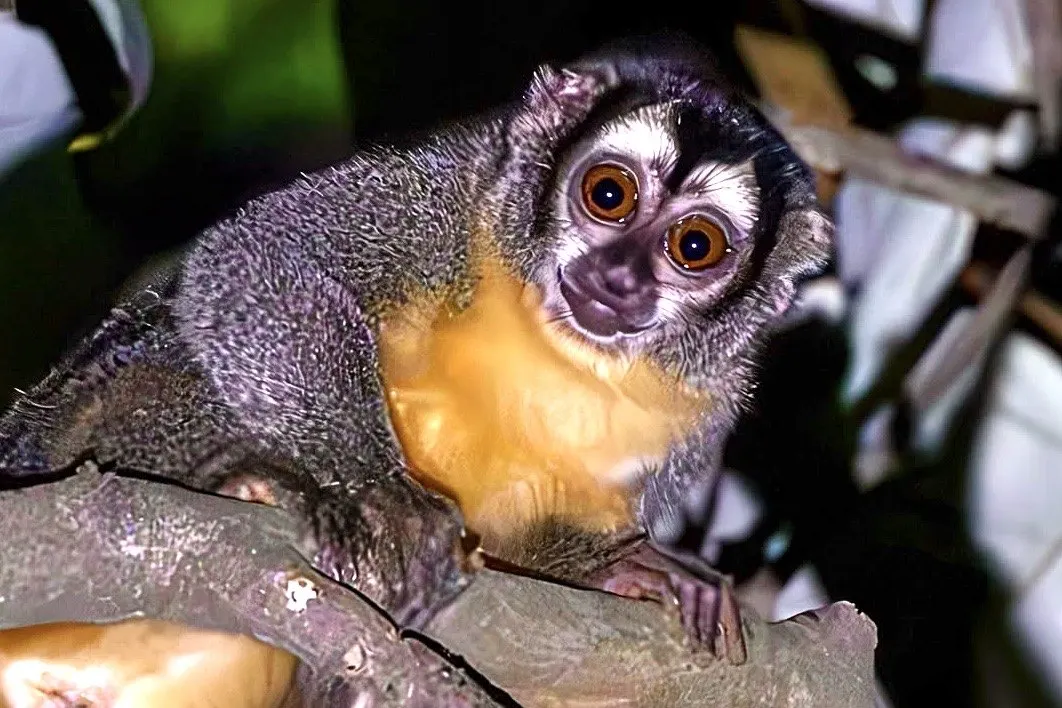
Night monkey
Night monkey

Photos: Kacau Oliveira; night monkey: Valéria Boldrin

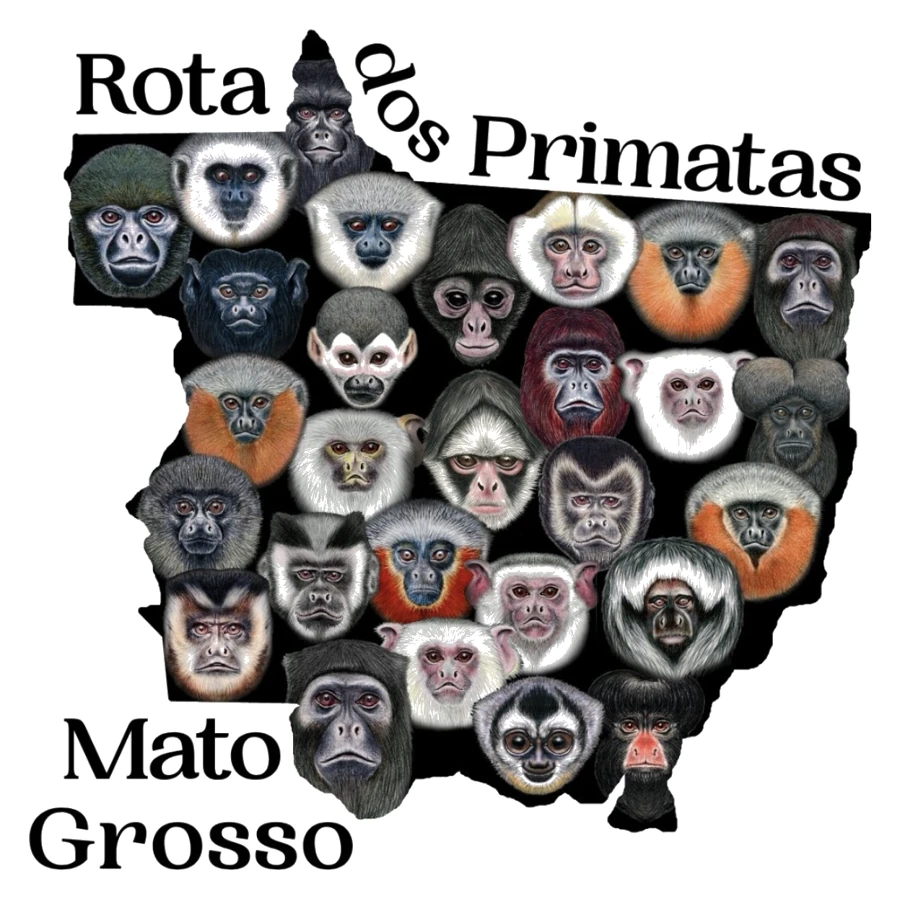
The chances of seeing each of them are good, each with its own degree of ease or challenge. We have welcomed wildlife watchers and photographers for ten years, and our knowledge has also grown through our involvement in Alta Floresta Não Atropela. Anacã is also part of the Mato Grosso Primate Route (Rota dos Primatas de Mato Grosso).

Six species

Who lives here

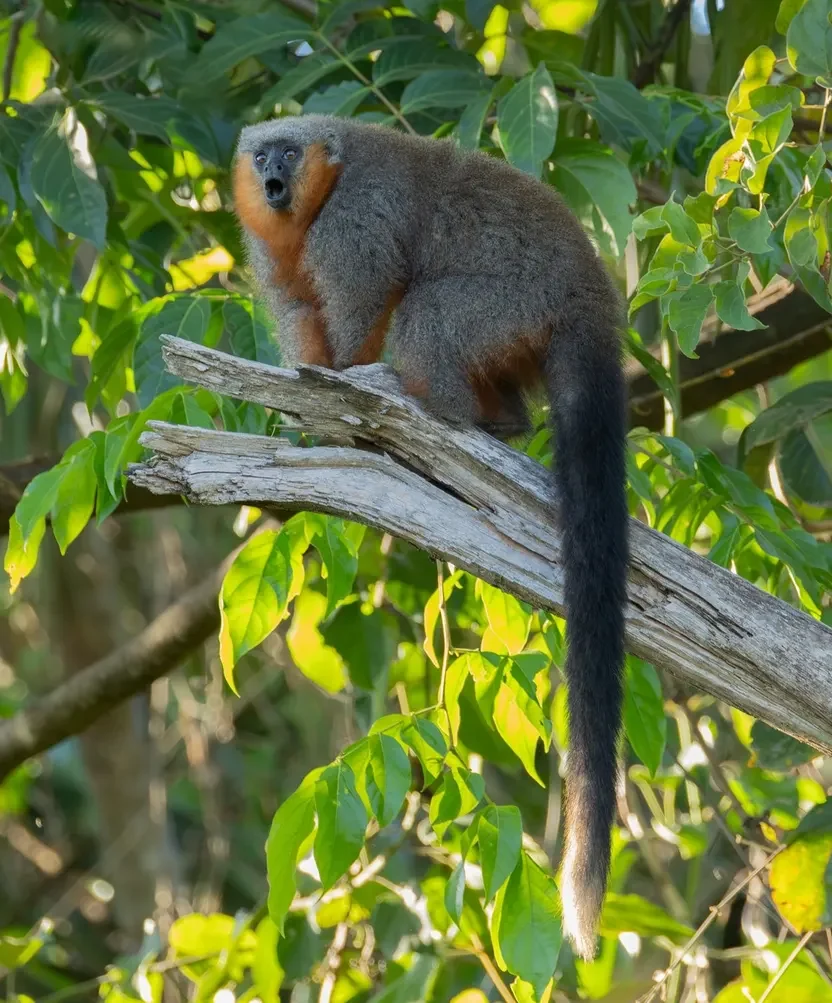
Alta Floresta titi monkey (Groves's titi) (Plecturocebus grovesi)
Kacau Oliveira

Alta Floresta titi monkey (Groves's titi)

Plecturocebus grovesi

Zogue-zogue-de-Alta-Floresta

The symbol of Alta Floresta and Critically Endangered (IUCN). At least six groups live at Anacã, each with a well-defined territory, so encounters are frequent, especially early, during the duet that gives the species its local name. Going with a guide greatly improves the chances.
Schneider's marmoset (Mico schneideri)
Kacau Oliveira

Schneider's marmoset

Mico schneideri

Sagui-de-Schneider

Abundant in almost every forest patch. Small, agile and curious, it lives in groups, and its distinctive call helps to locate it. Often seen even without a guide.

Brown capuchin (Sapajus apella apella)
Kacau Oliveira

Brown capuchin

Sapajus apella apella

Macaco-prego

Very abundant, found in practically every green area. Curious, intelligent and with a varied diet, it was the first to use the Alta Floresta Não Atropela canopy bridges. Often seen even without a guide.

Black-faced black spider monkey (Ateles chamek)
Kacau Oliveira

Black-faced black spider monkey

Ateles chamek

Macaco-aranha-de-cara-preta

Handsome and agile, it lives in a large group that splits up during the day and ranges widely through the RPPN and the Legal Reserve. With no fixed spots, we look for it walking the trails. A guide makes a real difference in finding it.

Mato Grosso red howler monkey (Alouatta matogrossensis)
Kacau Oliveira

Mato Grosso red howler monkey

Alouatta matogrossensis

Bugio-vermelho-de-Mato-Grosso

A species described by science in 2026. Slow-paced, it moves little and rests for much of the day in the RPPN and the Legal Reserve; here, curiously, it rarely calls. Usually found, but it takes more effort. Finding it relies on the guide's experience.

Feline night monkey (Aotus infulatus)
Valéria Boldrin

Feline night monkey

Aotus infulatus

Macaco-da-noite (quatro-olhos)

The most challenging of the six, active at night. There is more than one group on the farm, and it has even been seen in the lodge garden; with dedication on night outings, those who look for it usually succeed. Finding it relies on the guide's experience.

Alta Floresta titi (Plecturocebus grovesi)
Kacau Oliveira

In focus

The Alta Floresta titi

Plecturocebus grovesi

The symbol of Alta Floresta, this titi lives in small family groups and often reveals itself first by its calls at dawn. It can also be found on the RPPN Fazenda Anacã trail.

Like other forest primates, it depends on connected forest to move, feed and keep its groups together. That is why forest connectivity — ecological corridors, restoration and canopy bridges — is central to the conservation work Anacã is part of.

Conservation and connectivity

The experience

Focused on Fazenda Anacã

This experience takes place only at Fazenda Anacã, where the presence of all six species — together with what we have learned about their groups, where they occur and how they behave — lets us focus field time and improve the chances for watching and photography.

Forest, edges, ecological corridors, restoration areas, buriti swamps and the reserve form a mosaic of habitats close together. Trails, boardwalks and lookouts make access easy, and outings can run in the morning, afternoon and at night.

RPPN Fazenda Anacã, the ecological corridors and the restoration areas provide shelter and food for these groups. Not every sighting happens inside the reserve: the primates use the whole network of forest on and around the property.

What to expect

  • Some species are seen more often; others take more time, persistence and a bit of luck.
  • The night monkey is the most challenging of the six.
  • The more time you give it, the better the chances of finding each species and seeing it again in better conditions.
  • For photographers, time matters even more: seeing an animal does not always mean getting the shot.
  • We cannot promise all six species in a single stay.

As this is wild nature, sightings depend on the weather and on the animals themselves. No sighting can be guaranteed.

Collective initiative

Alta Floresta Não Atropela

Fewer roadkills, more connectivity

For many primates, crossing a road is one of the biggest risks of the day. Alta Floresta Não Atropela is a collective initiative that reduces the impact of roads on wildlife, with canopy bridges for tree-dwelling animals, road signs to alert drivers, and work to connect forest fragments.

Led by Projeto Reconecta, the programme brings together Alta Floresta's city government and a range of partner institutions, including Fazenda Anacã, which also takes part in the primate census. All six primate species found at Anacã already use the canopy bridges, including the Alta Floresta titi, the programme's symbol.

Tourism and conservation network

Mato Grosso Primate Route

Primates protected, forest standing

The Mato Grosso Primate Route (Rota dos Primatas de Mato Grosso) is a conservation initiative that combines primate protection with economic activities such as wildlife-watching tourism, as an alternative to deforestation.

It was conceived by members of the Brazilian Primatological Society from institutions including Re:wild, Instituto Ecótono, the Federal University of Mato Grosso and Brazil's National Centre for Research and Conservation of Brazilian Primates (CPB/ICMBio). Sebrae supports the development of the route's tourism products, and Fazenda Anacã is part of it.

Plan your primate watching

Tell us your dates and whether your focus is watching or photography. We will send a proposal on WhatsApp.