RPPN Fazenda Anacã
A choice that endures
On 5 September 2024, part of the forest at Fazenda Anacã became a Private Natural Heritage Reserve: 17.08 hectares of Amazon protected for good, by the family’s own decision.
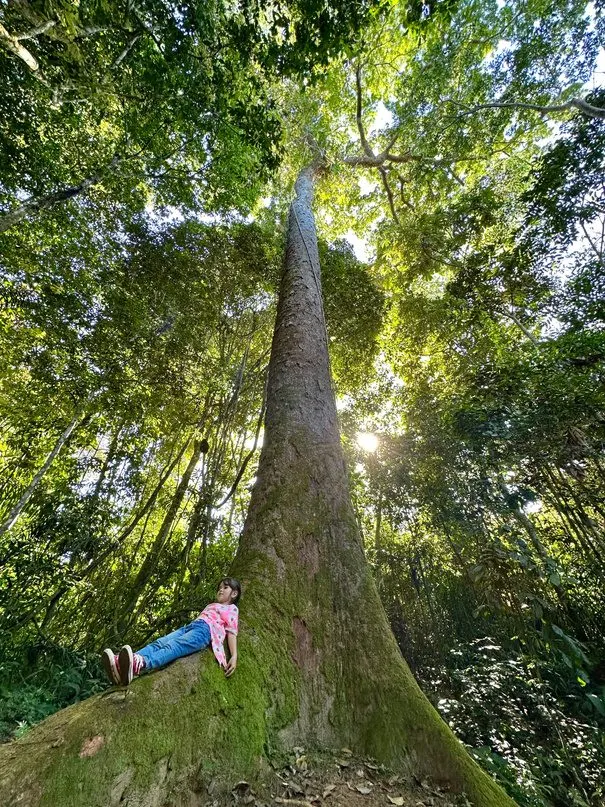
Protected in perpetuityA decision that cannot be undone: this forest will stay standing forever, even if the land changes hands.
What an RPPN is
A protected area on private land
A Private Natural Heritage Reserve (RPPN, in Portuguese) is a category of protected area created on private land at the owner’s own initiative and officially recognised by the government. RPPN Fazenda Anacã is a federally recognised protected area.
No one is required to create an RPPN. The decision is voluntary and, once made, permanent: the reserve is recorded on the property deeds and stays dedicated to conserving biodiversity even if the land changes hands.
More than protection, the RPPN is our family's legacy to society and to Alta Floresta: a forest that will remain standing for generations to come.
Why it matters
Part of a wider landscape
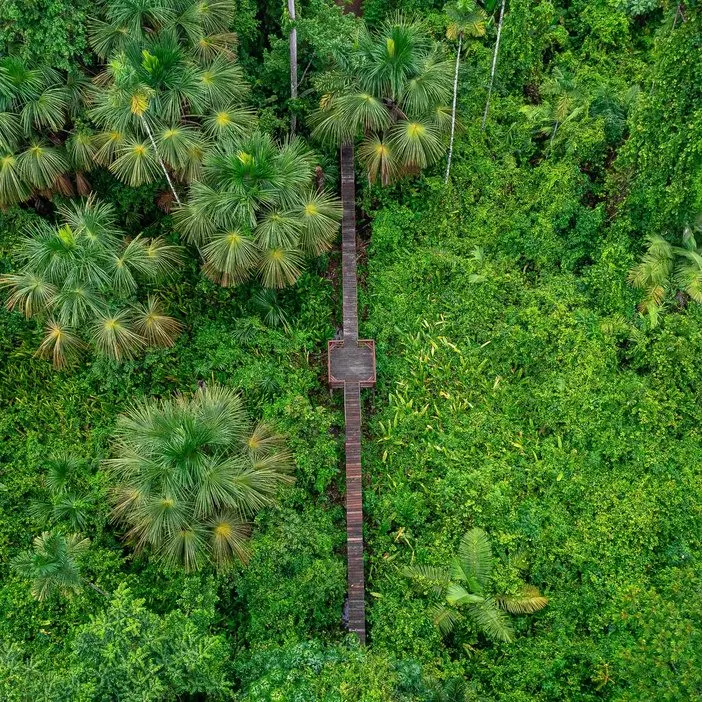
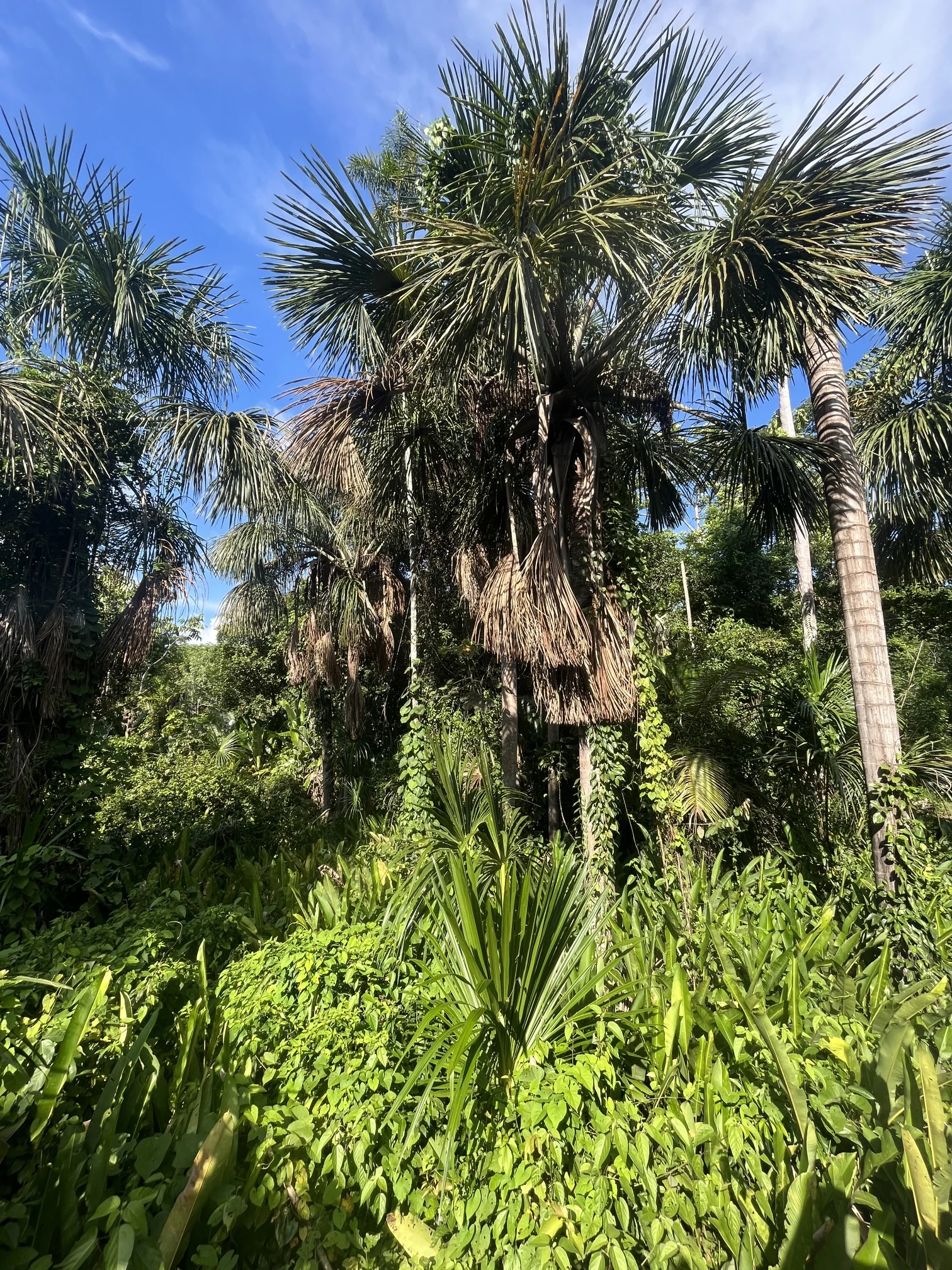
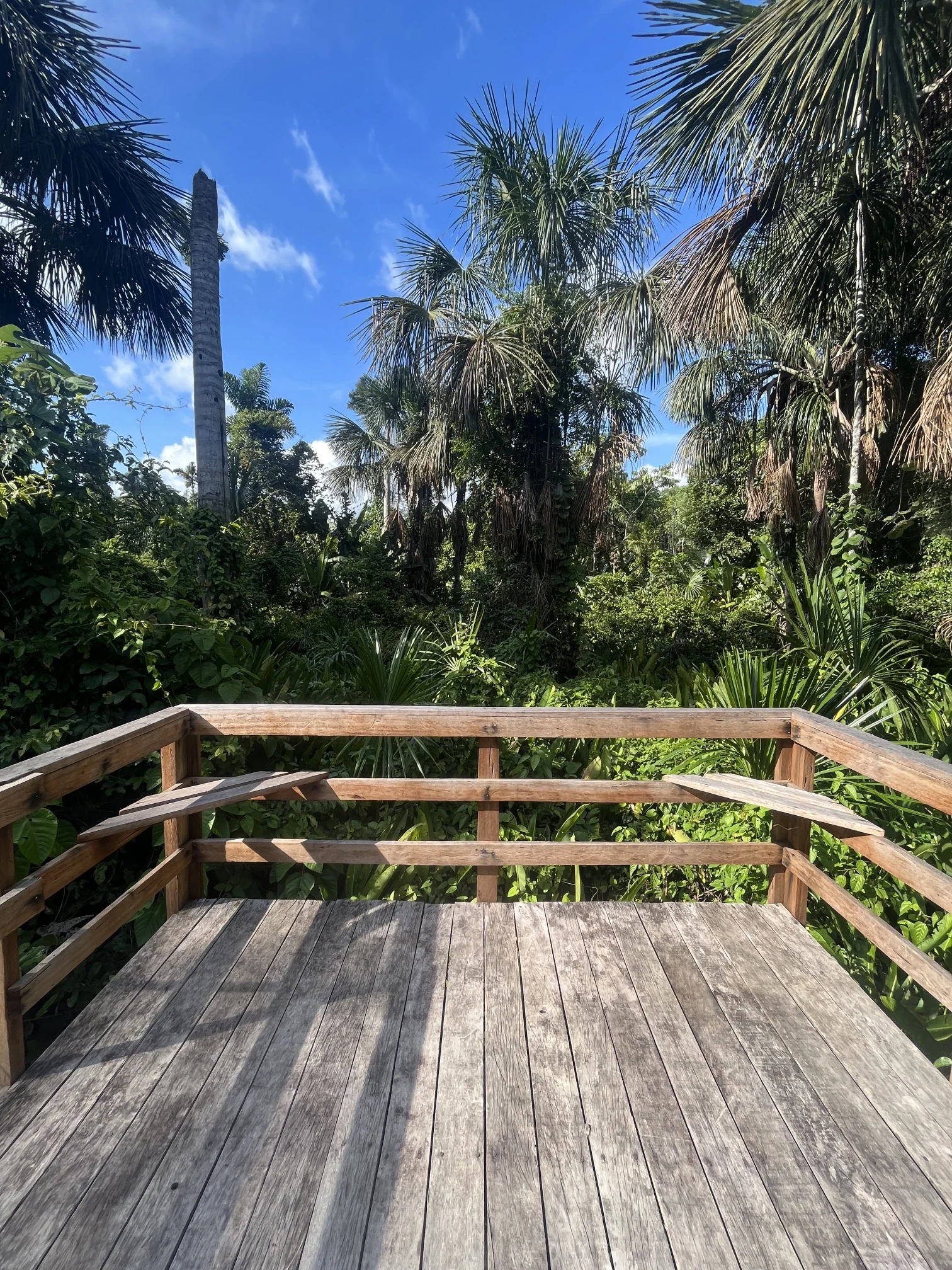
The reserve protects a palm swamp of century-old buriti palms, stretches of forest and old trees such as the angelim-pedra. But it does not stand alone: it is part of a wider set of natural areas on the property — Legal Reserve, riparian areas, the Central Ecological Corridor and restoration areas — and connects with forest fragments nearby.
Because of where it sits in the landscape, the RPPN works as an ecological corridor: it links the forests of the property with those around it, allowing wildlife to move, feed and find shelter between them. This geographic role matters as much as the species that live there.
Together these areas give wildlife shelter, food and routes to move along. The reserve is the part that is protected for good; the animals recorded at Fazenda Anacã move across the whole mosaic, inside and outside its boundaries.
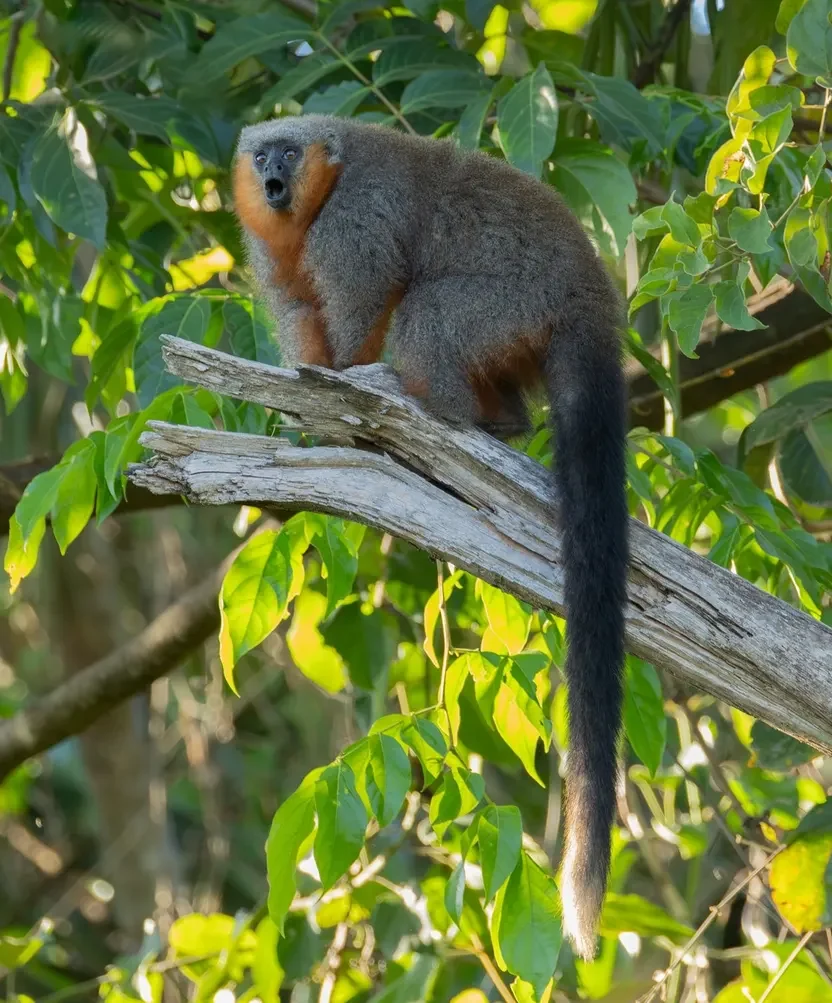
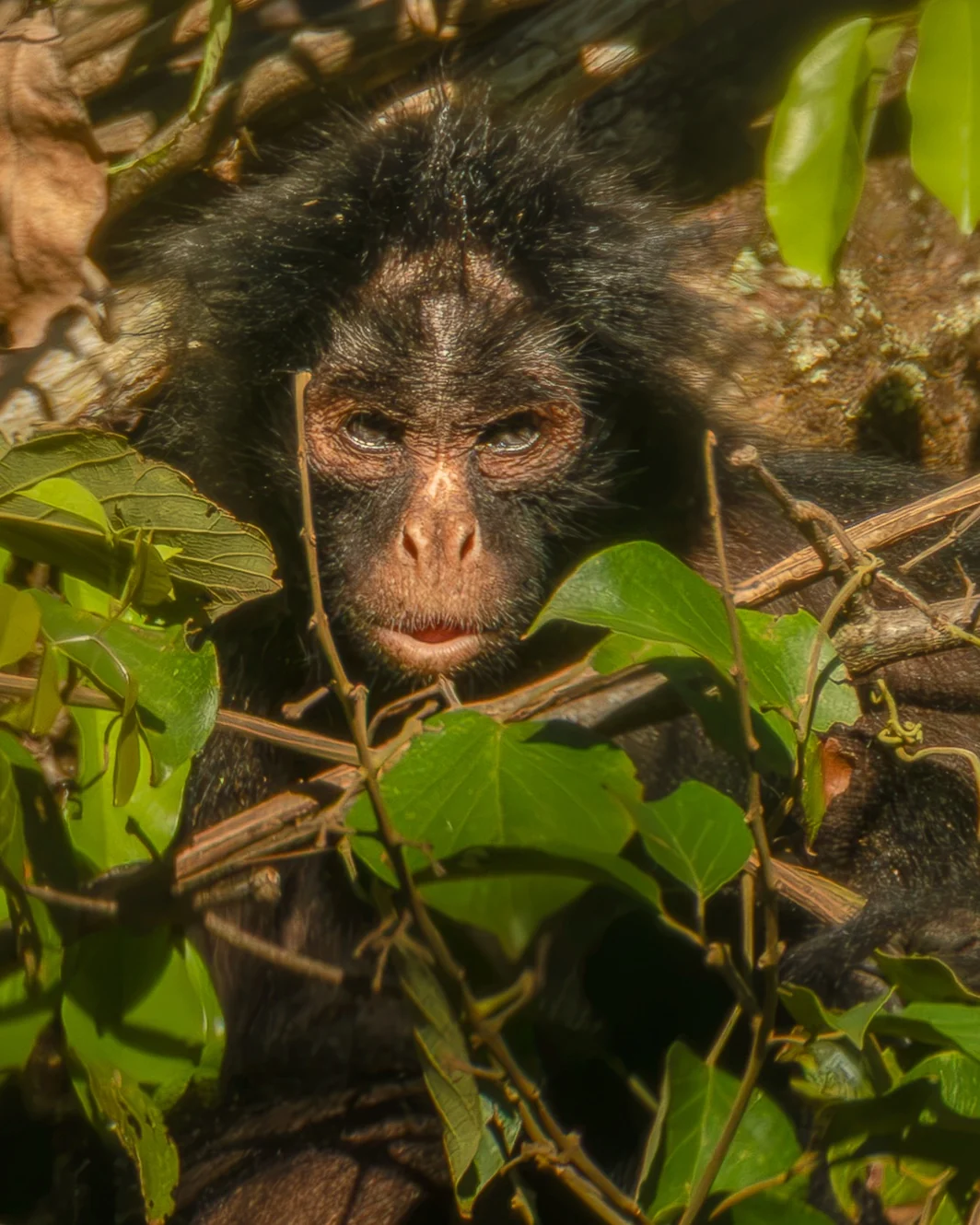
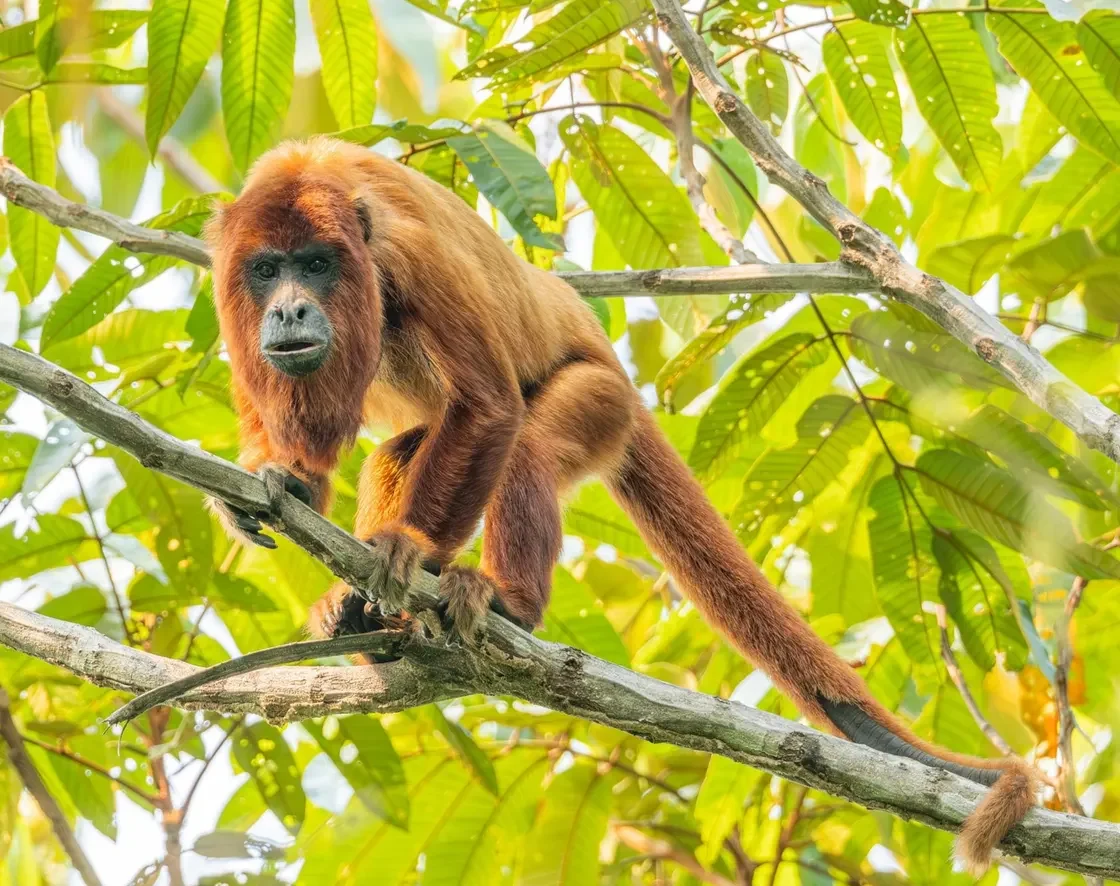
Six primate species have been recorded at Fazenda Anacã, among them the Alta Floresta titi, listed as Critically Endangered by the IUCN. For an animal that depends on connected forest, keeping this area protected for good matters a great deal.
The reserve is also one of the areas followed by Monitora Anacã, our camera-trap wildlife-monitoring project in partnership with UNEMAT.
Visiting
A reserve open to learning
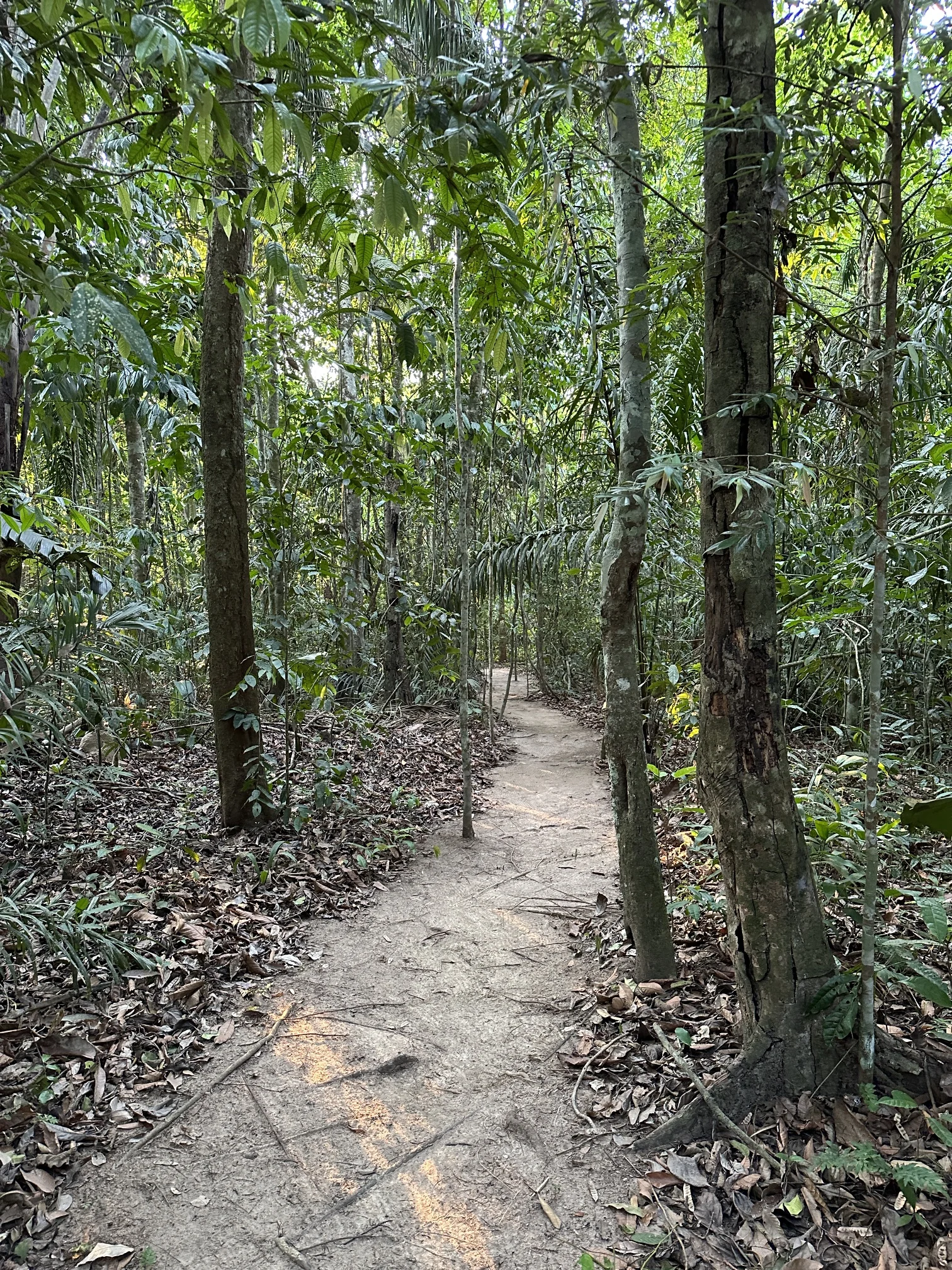
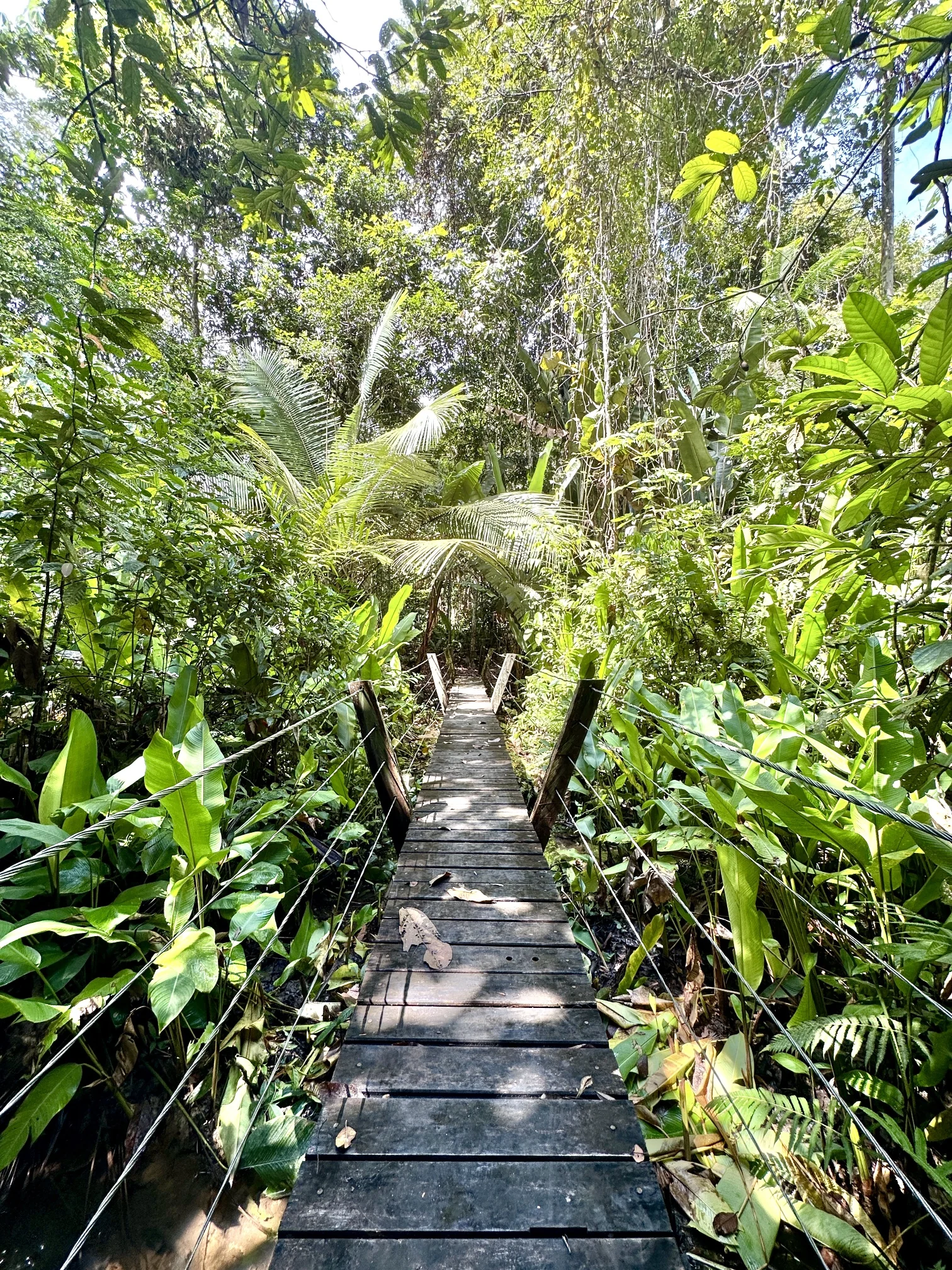
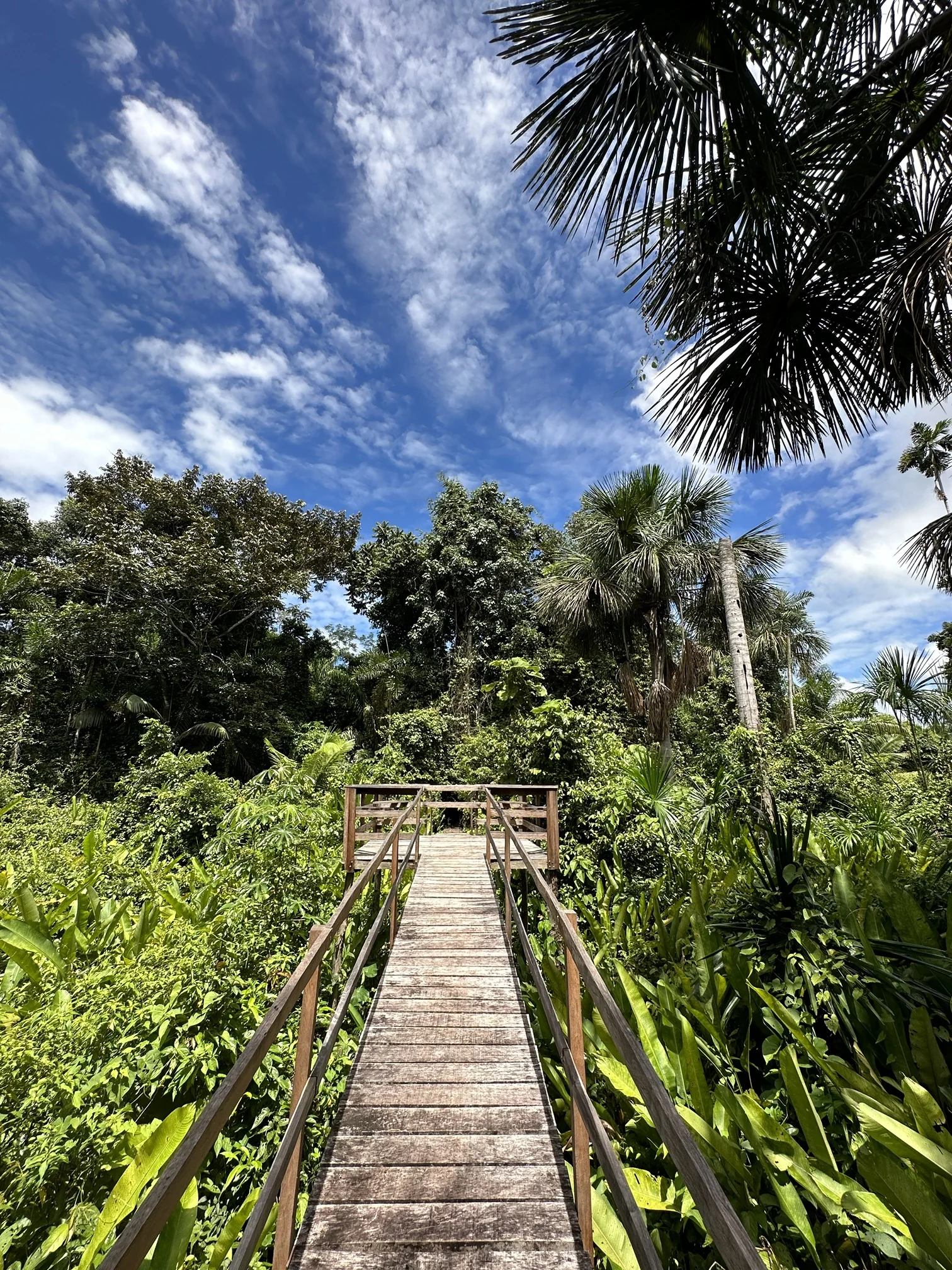
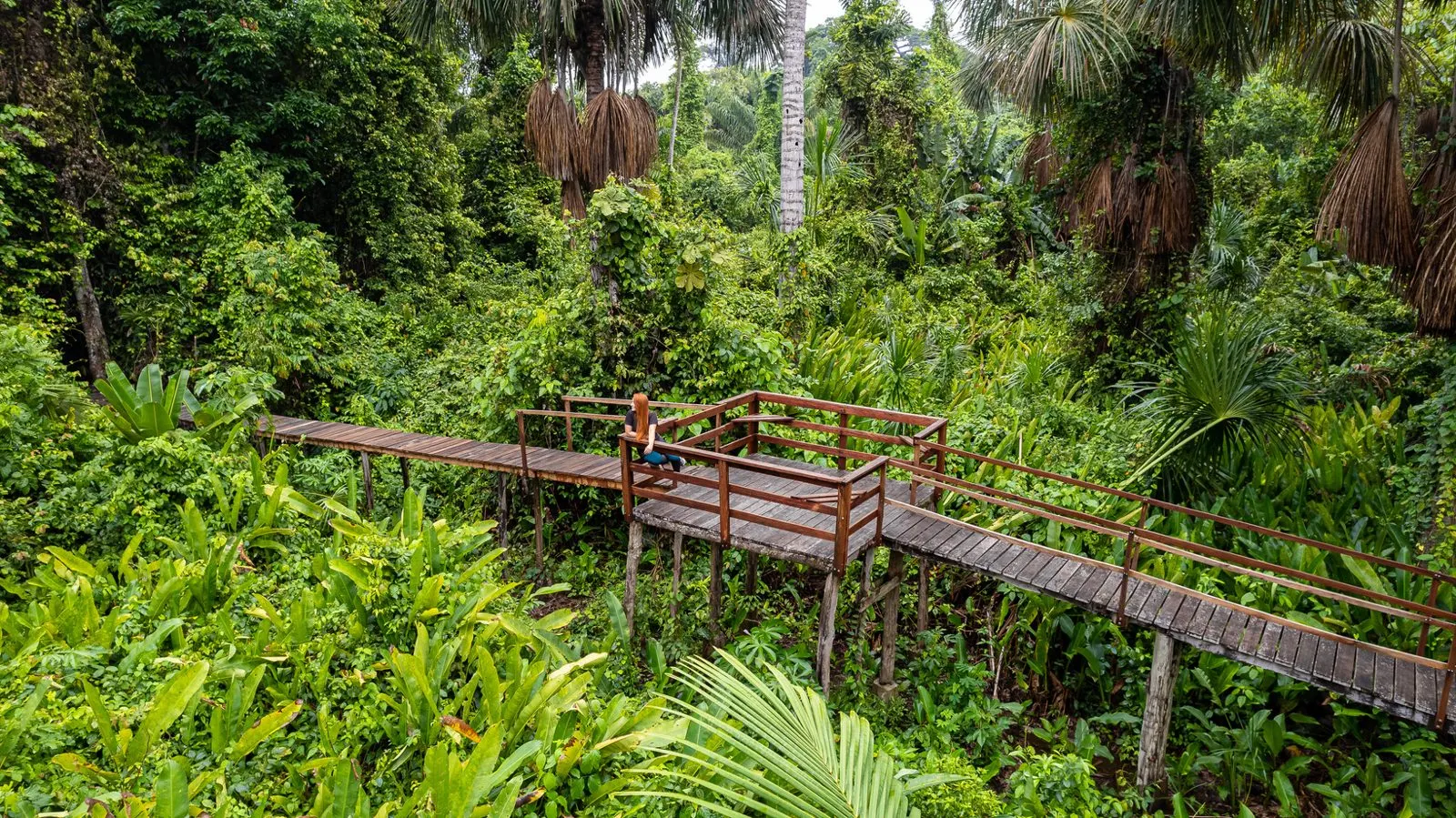
The RPPN has inner trails, a footbridge and the Gilberto Tavares Boardwalk, which crosses the buriti palm swamp 3 metres above the ground and is wheelchair accessible. These structures make it possible to explore the reserve safely and with minimal impact, and make it exceptionally well prepared for wildlife watching.
Tourism is one way to visit: guests explore the reserve on guided outings in small groups. The RPPN also hosts university classes, research, workshops and community birdwatching days, as part of environmental, scientific and social education.
Animals already recorded in the reserve include:
Tourism as a tool for conservation
The reserve is the permanent expression of a commitment renewed with every stay.
Our lodge, kitchen and nature outings help sustain a property that has chosen to keep its forest standing. Restoration, monitoring, education and connectivity show how that commitment works in practice.