Conservation

Tourism as a tool for conservation

Anacã is a tourism business. Our lodge and outings help sustain a property where, since 2015, conservation has meant concrete action: protecting, restoring, understanding and sharing.

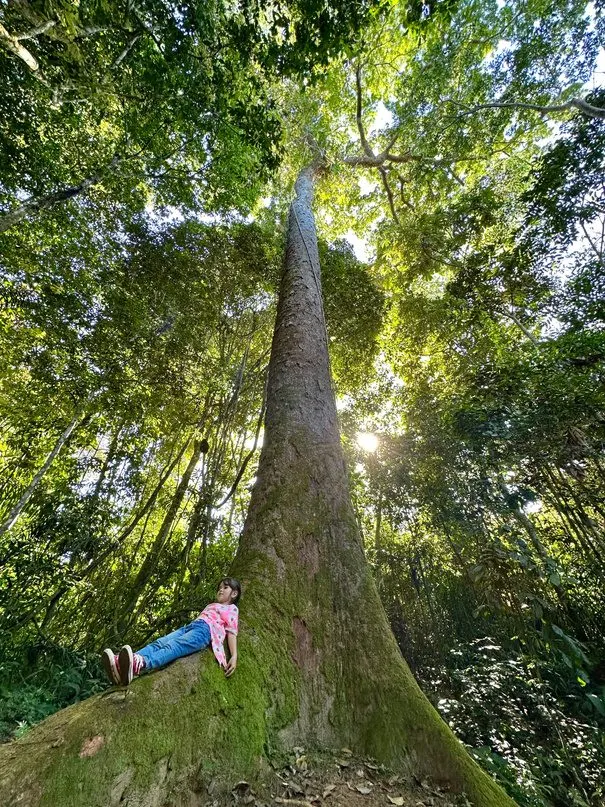
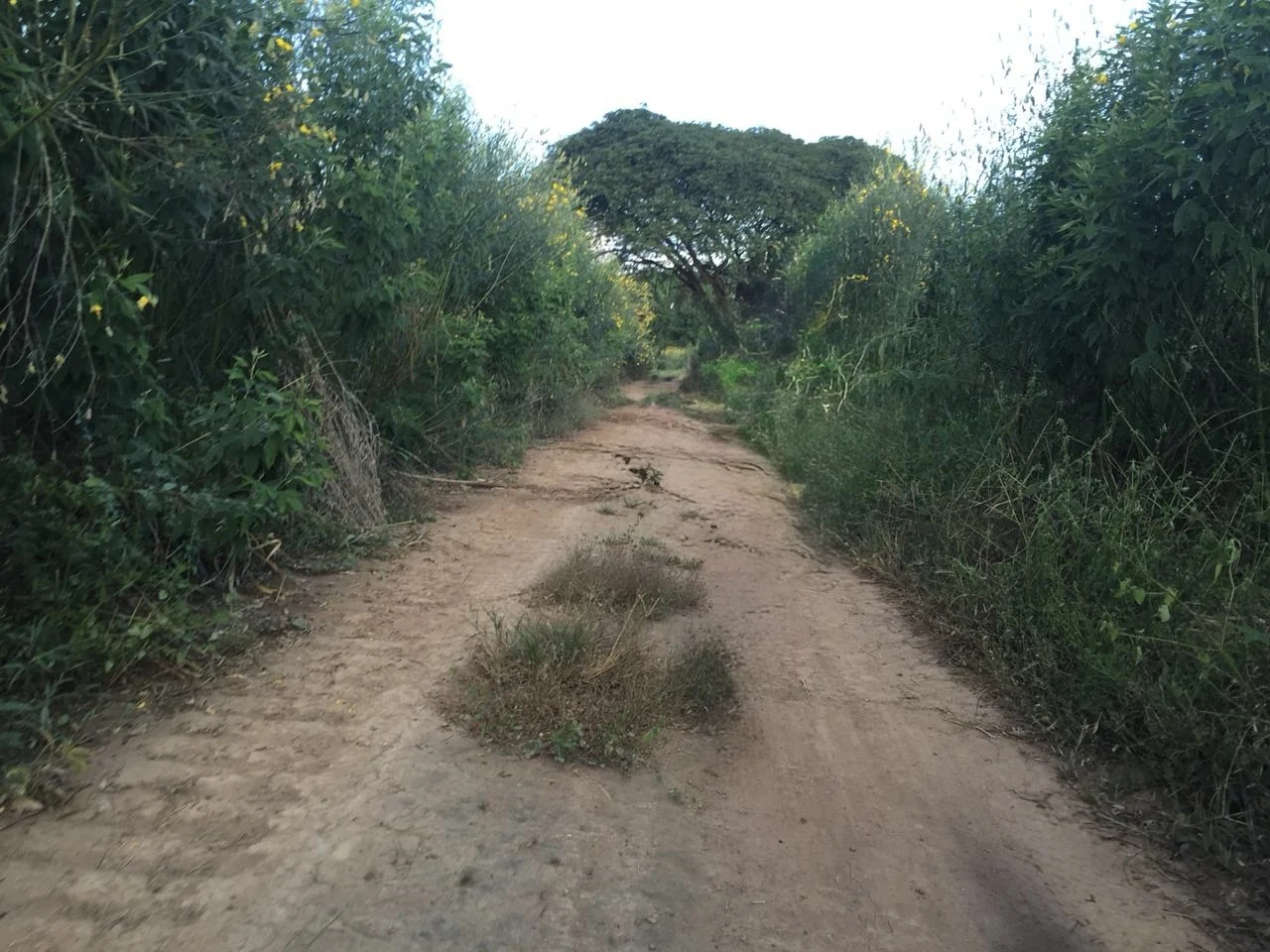
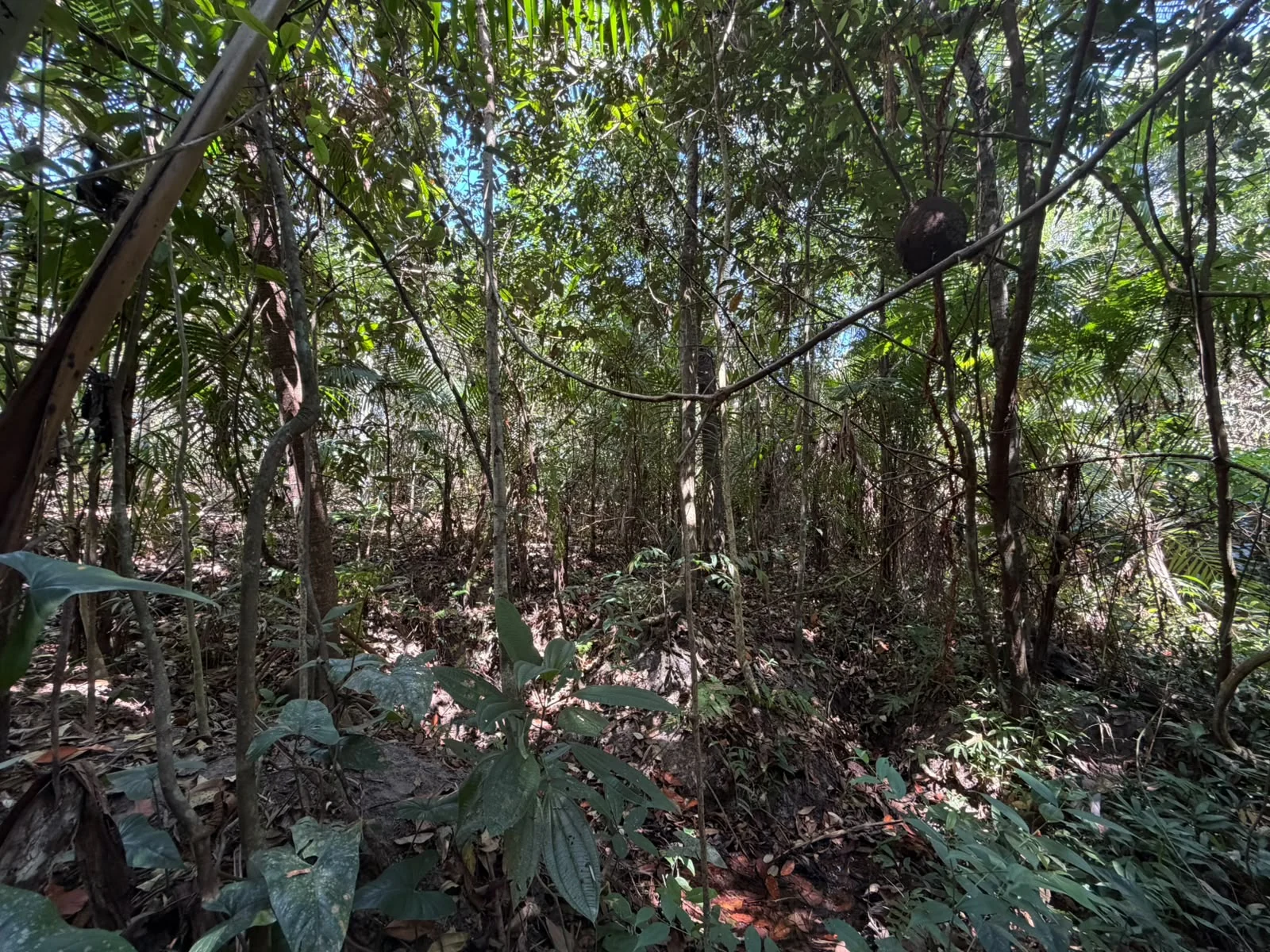
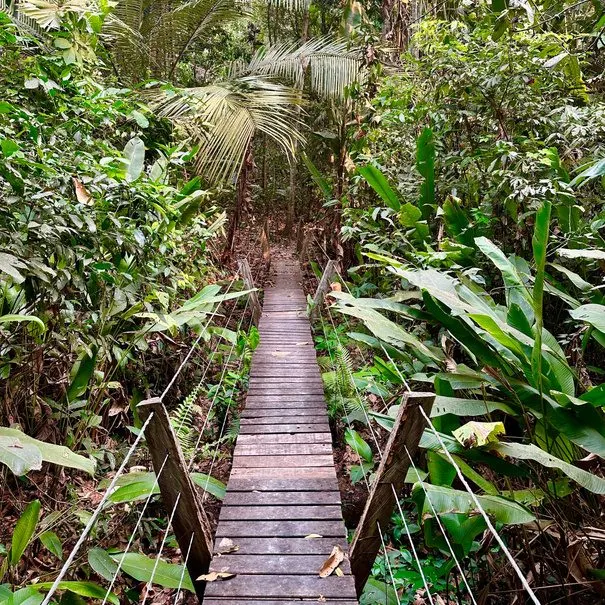
Trail and footbridge inside the reserve
RPPN Fazenda Anacã
01

Protect for good

The most lasting way to conserve is to make sure the forest stays standing.

02

Restore and reconnect

Since 2016, land once used for cattle has been returned to forest, and isolated fragments brought closer together.

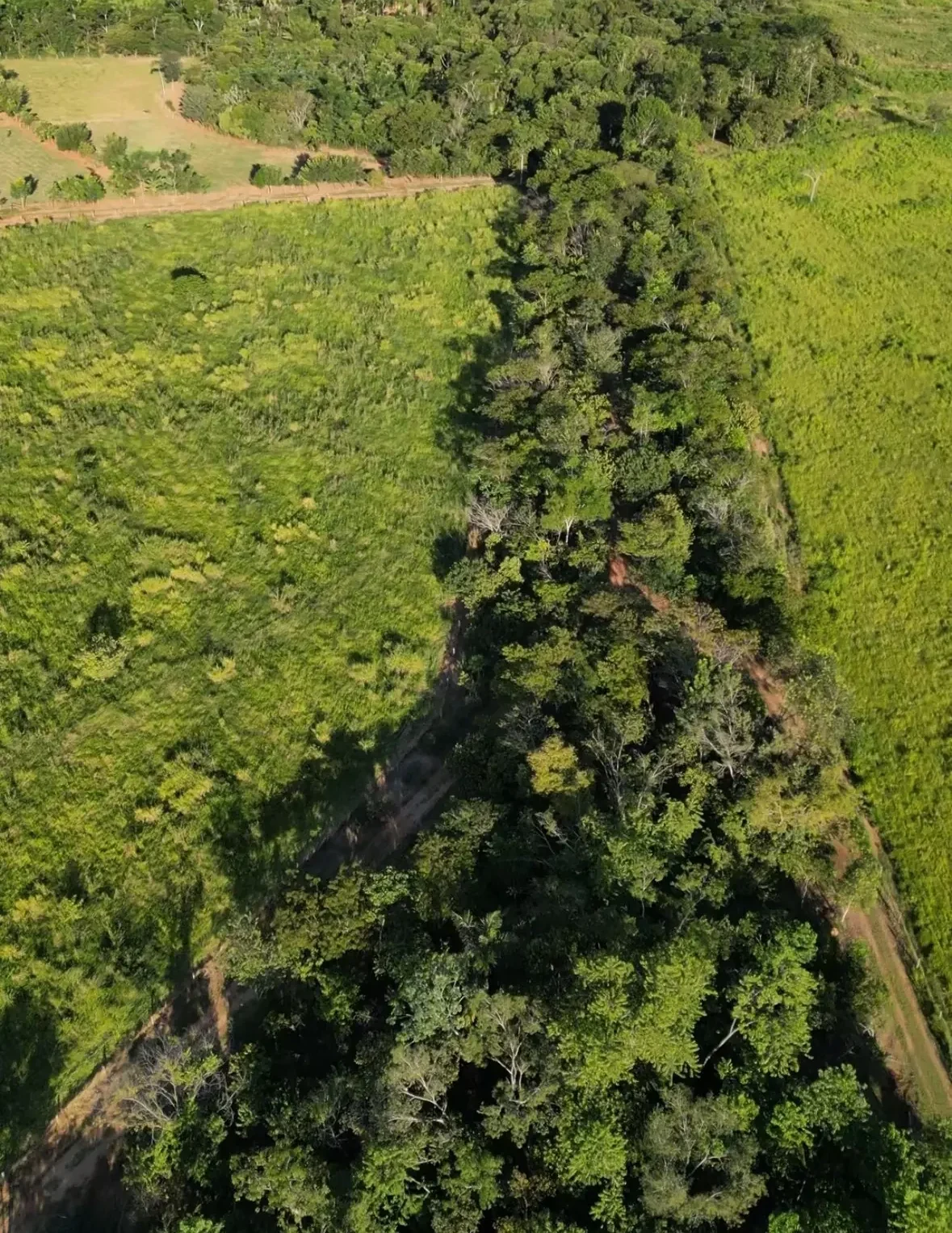
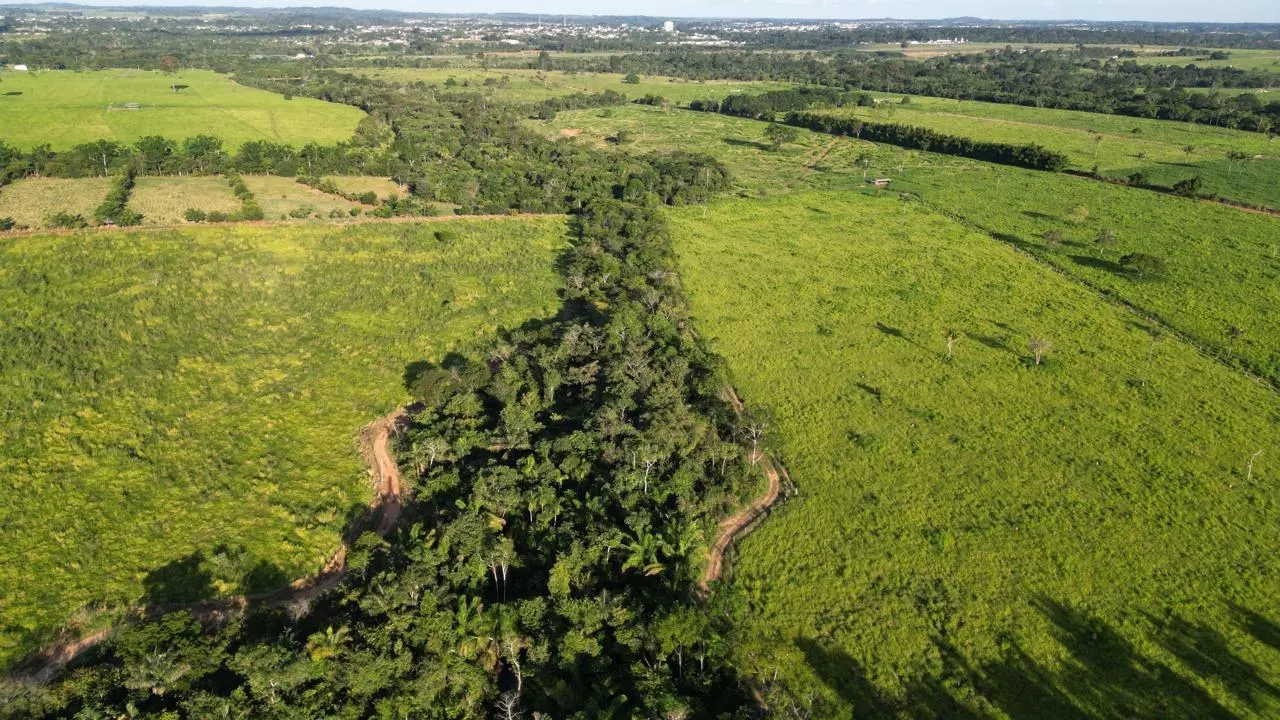
The Central Ecological Corridor from above, between pastures
Corredor Ecológico Central
Our own initiative

Central Ecological Corridor

Restoration begun in 2016 · 10 years

Area
0.9 ha
Length
224 m
Width
45 m
Started
Feb 2016

Technique: direct seeding with native species, followed by enrichment planting with seedlings.

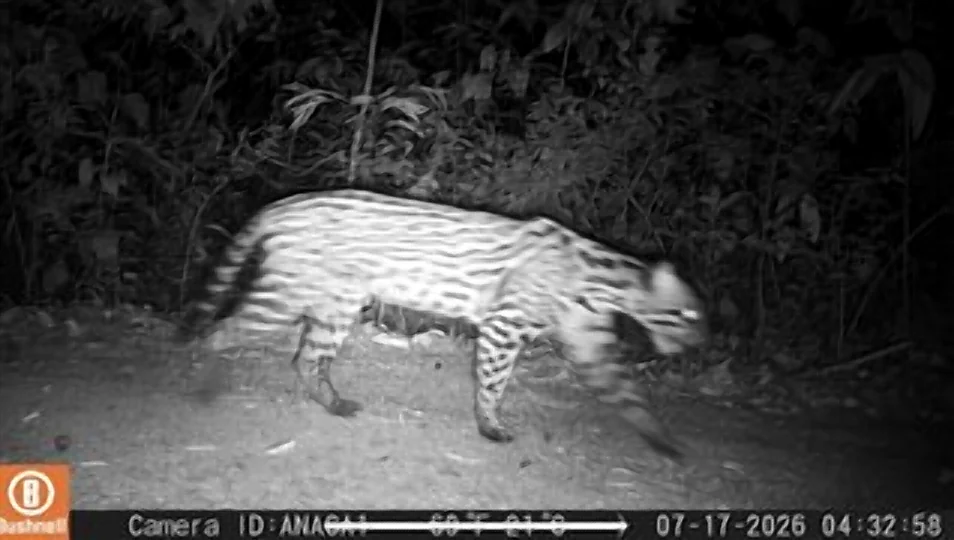
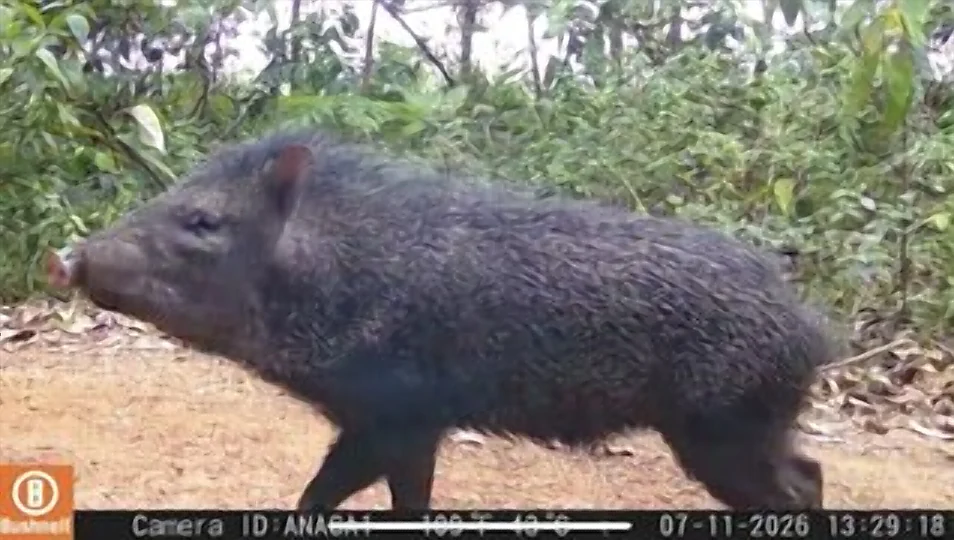
Restoration and forest enrichment here began in 2016, with direct seeding and native tree planting. The corridor links forest fragments on the property and gives wildlife more cover and possible routes between them. Wildlife already uses the corridor: records include primates such as the black-faced spider monkey and Schneider's marmoset, giant anteaters, southern tamanduas, more than one species of armadillo, tapirs, collared peccaries, tayras, ocelots, coatis, capybaras, tortoises, lesser grisons, neotropical otters, giant otters and many birds.

It is a voluntary initiative that goes beyond what the law requires. The aerial photo of the corridor illustrates the concept of an ecological corridor in the Sistema Ângulo de Ensino textbooks, used in schools across Brazil.

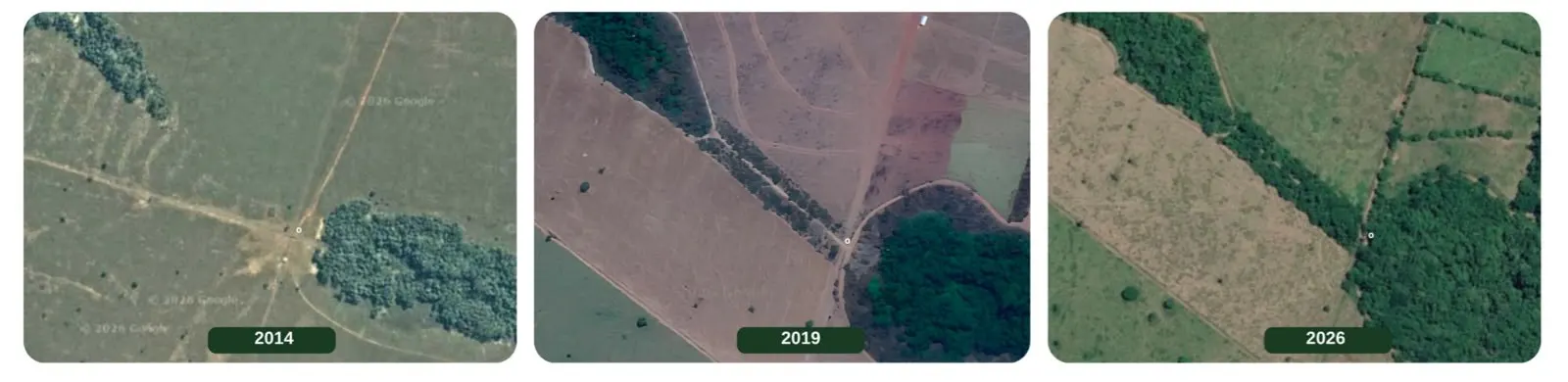
Satellite images of the Central Ecological Corridor in 2014, 2019 and 2026
The Central Ecological Corridor in 2014, 2019 and 2026: the strip of forest planted from 2016 now links two fragments that were once isolated.
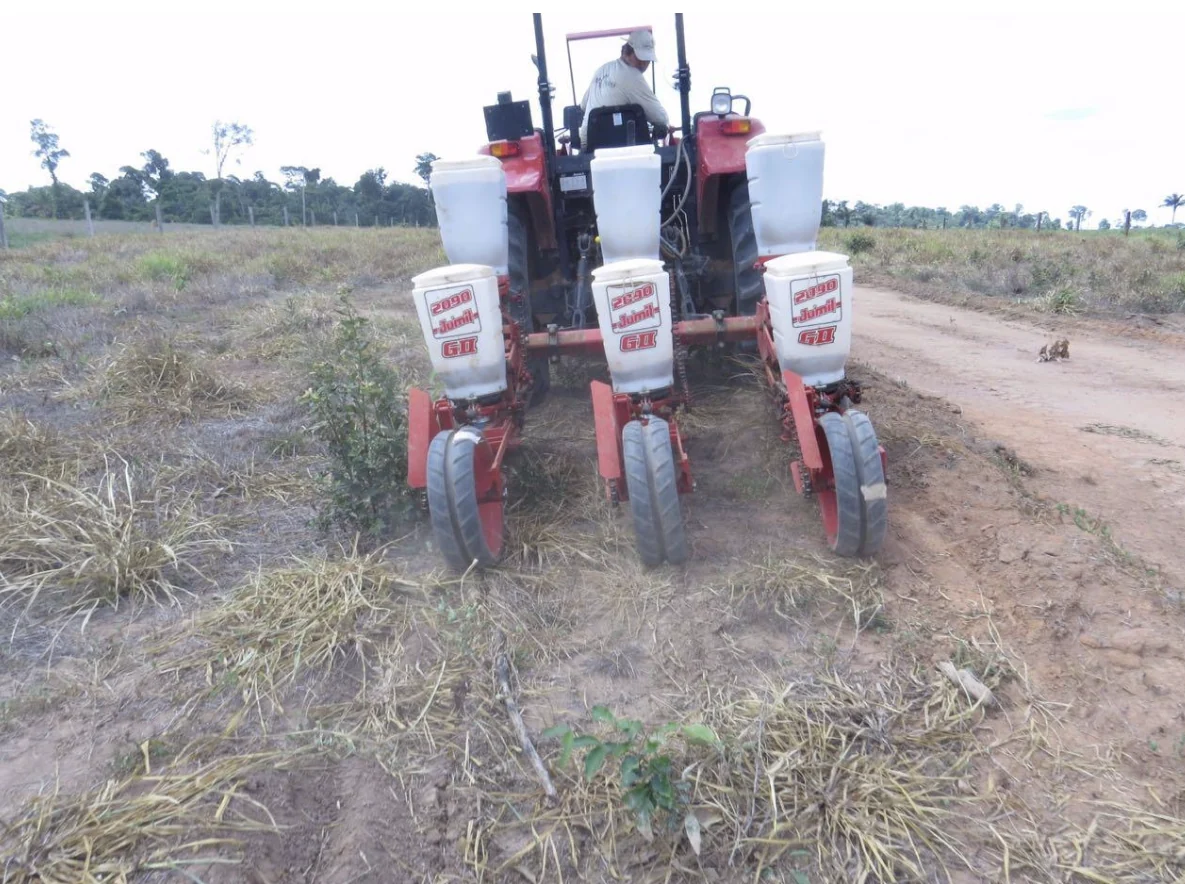
Direct seeding in the Central Ecological Corridor, 2016, when restoration began
2016 · direct seeding
The Central Ecological Corridor in 2017, one year in: green manure with pigeon pea
2017 · one year, green manure
The Central Ecological Corridor in 2018
2018
The same stretch of the corridor today
Today

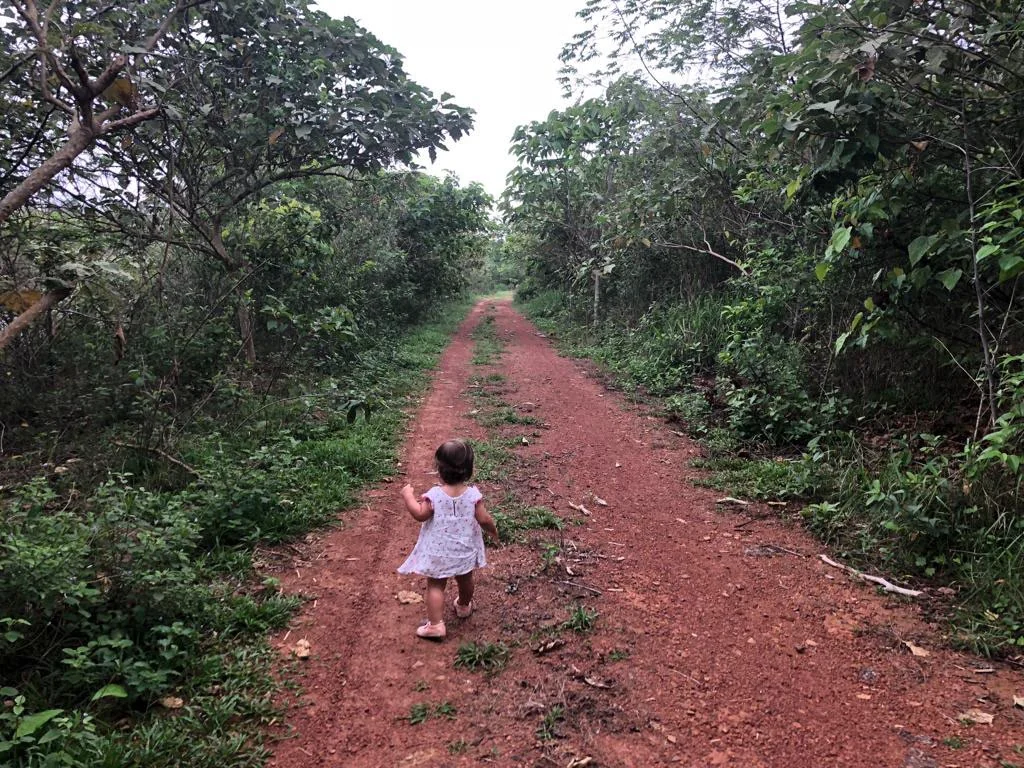
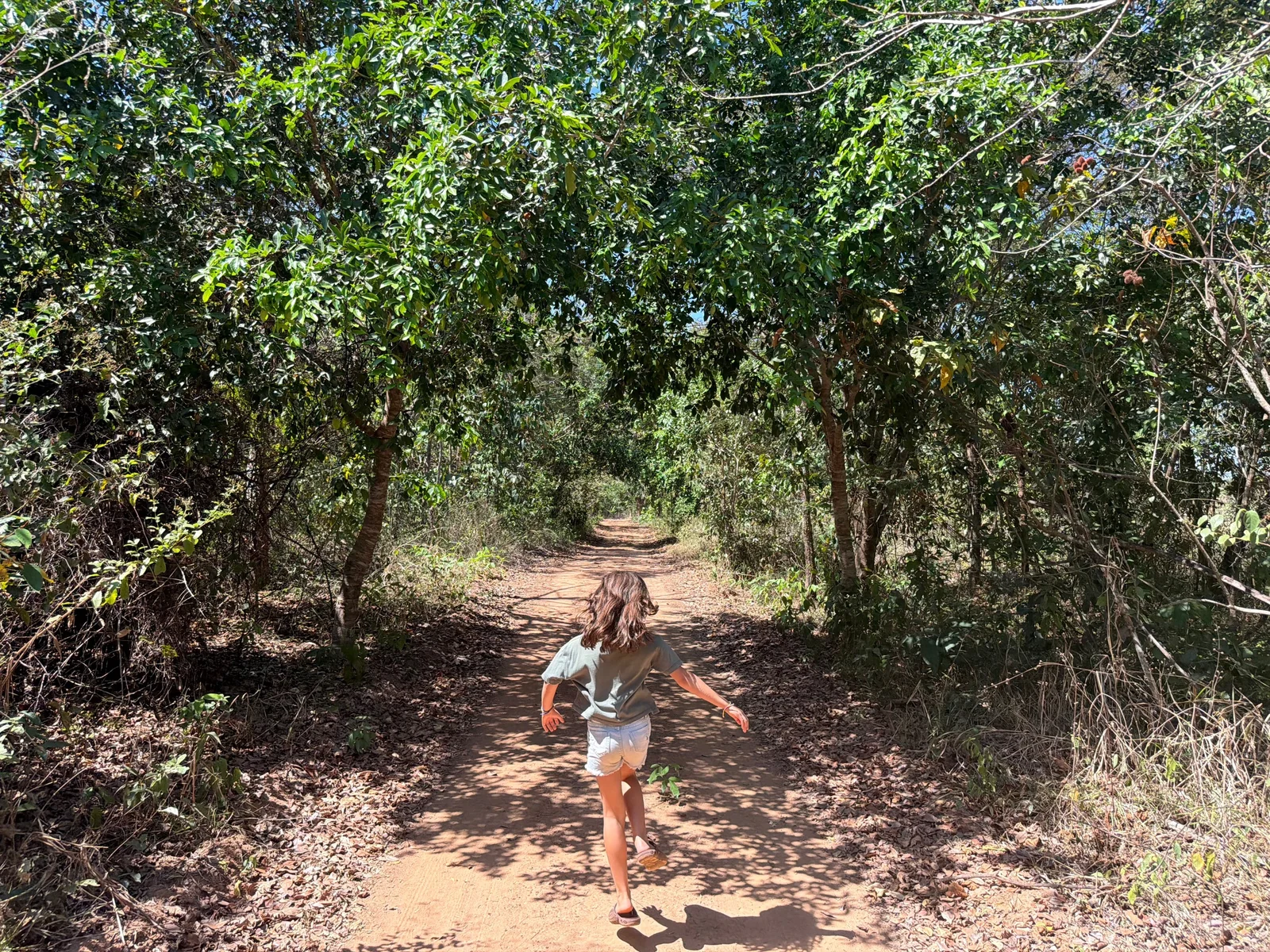
Direct seeding with a planter in 2016, when the area was still bare ground; the corridor in 2017, one year in, covered by a green manure of pigeon pea; the same path in 2018; and today, with well-established trees.

Who uses the corridor

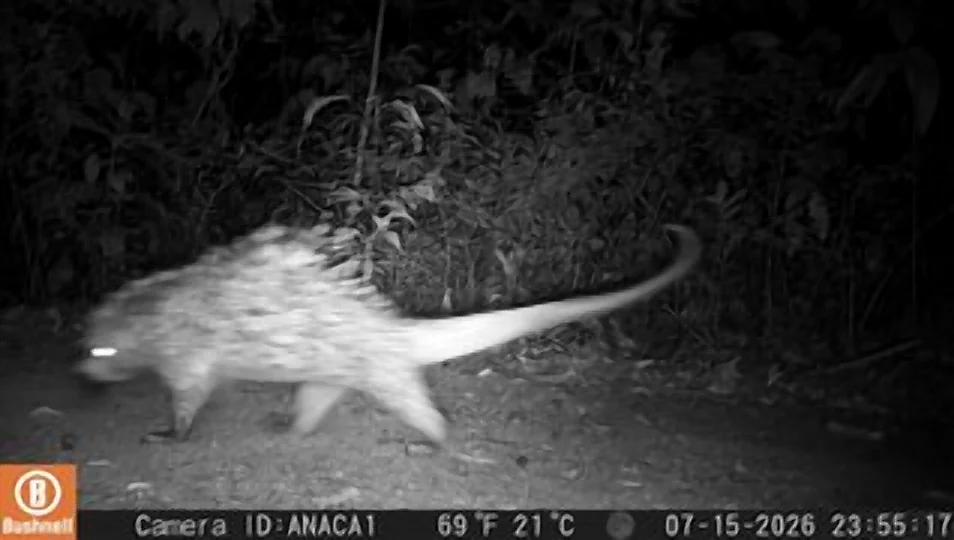
Camera-trap records from the Central Ecological Corridor.

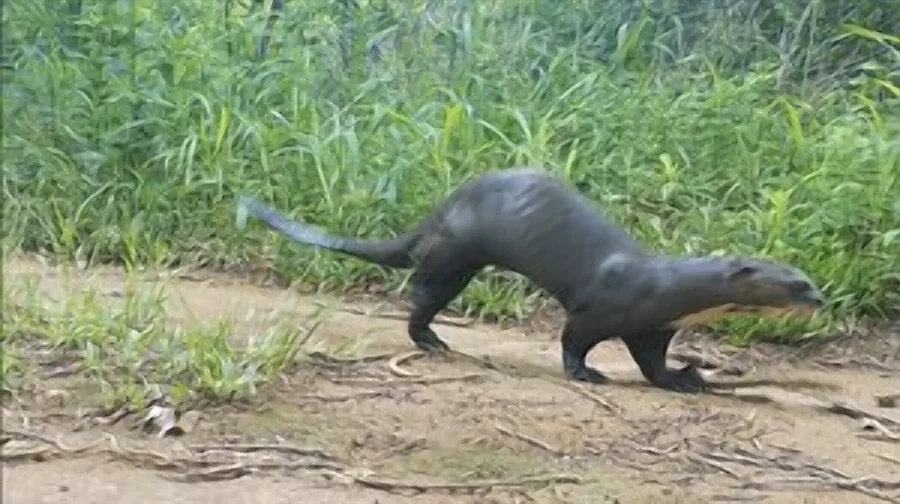
Giant otter recorded in the Central Ecological Corridor (2019/2020)
Giant otterEldile Édson Rosa Oliveira
Ocelot in the Central Ecological Corridor, Monitora Anacã camera
OcelotMonitora Anacã
Collared peccary in the Central Ecological Corridor, Monitora Anacã camera
Collared peccaryMonitora Anacã
Porcupine in the Central Ecological Corridor, Monitora Anacã camera
PorcupineMonitora Anacã
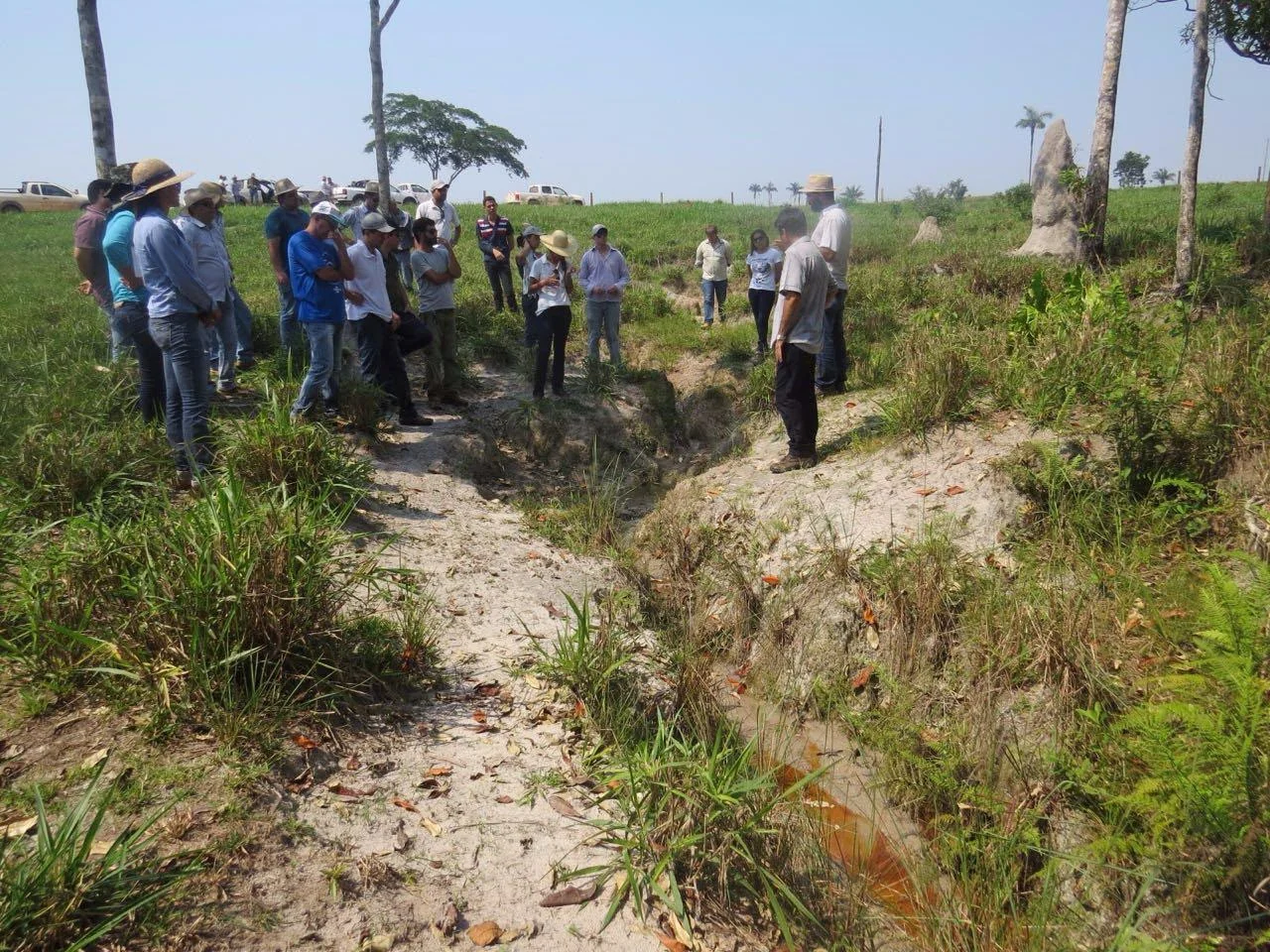
Riparian forest recovering along a stream
Our own initiative

Riparian area recovery

Springs and streams protected since 2016

In 2016, Fazenda Anacã began fencing off springs and streams that cattle had previously used. Used as watering and grazing spots, these areas suffered from degraded vegetation and erosion. Free from trampling, the vegetation in these riparian areas — protected under Brazil’s Forest Code (Law 12,651/2012) — has been regenerating. Today around 15 hectares are regenerating — separate from the 17.08 hectares of the reserve.

Spring in 2016, still in pasture
2016
The same spring today, covered by forest
Today

One of the springs that feed the Maria Elena lake, in 2016 and today.

Collective initiative

Alta Floresta Não Atropela

Fewer roadkills, more connectivity

A programme that reduces the impact of roads on Alta Floresta's wildlife, the first plan of its kind in an Amazonian municipality. Canopy bridges let primates and other tree-dwelling animals cross the roads safely, and signs alert drivers. Camera traps have already recorded thousands of crossings on the bridges, and all six primate species found at Fazenda Anacã already use the bridges, including the Alta Floresta titi, the programme's symbol.

The bridge design used in Alta Floresta has been the subject of an international scientific publication and is set to become a reference for Brazil's federal roads agency (DNIT) nationwide. Led by Projeto Reconecta, the programme brings together Alta Floresta's city government, universities, research institutions, civil-society organisations and companies. Fazenda Anacã is one of the partners and also takes part in the primate census.

03

Know in order to protect

Knowing who lives here, and where they move, guides our conservation decisions.

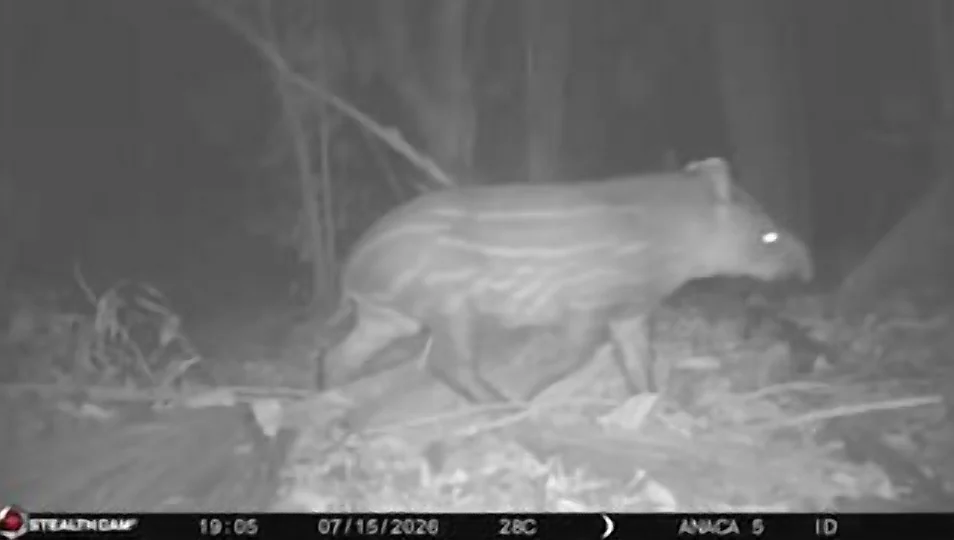
Tapir calf recorded at the Jaguatirica spring
Tapir calfMonitora Anacã
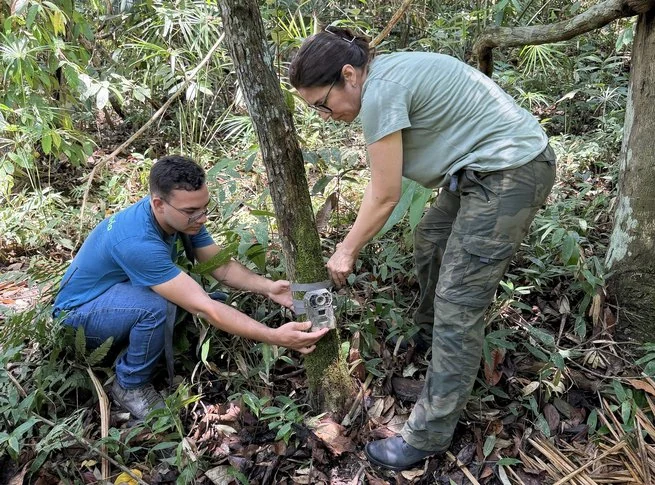
Professor Liliam and Leonardo setting up a camera trap
Setting up the cameras
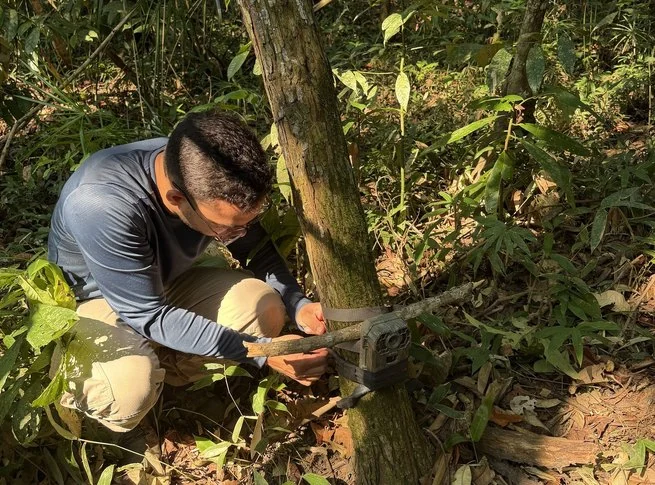
Leonardo, from UNEMAT, doing fieldwork
Fieldwork
Partnership

Monitora Anacã — Vida Silvestre em Foco

Camera traps, in partnership with UNEMAT

Launched in October 2026, the project runs five camera traps: three in the RPPN, one in the Central Ecological Corridor and one at the Jaguatirica spring. Scientific collaboration comes from UNEMAT (Mato Grosso State University), under the guidance of Professor Liliam Patricia Pinto, with students working in the field. The records broaden knowledge of local wildlife and are shared with students, the community and through Anacã's channels.

In the press: g1 Mato Grosso — Vídeo: macacos-pregos brincam com câmera de monitoramento em MT

04

Share in order to transform

Conservation also means bringing people closer to the forest.

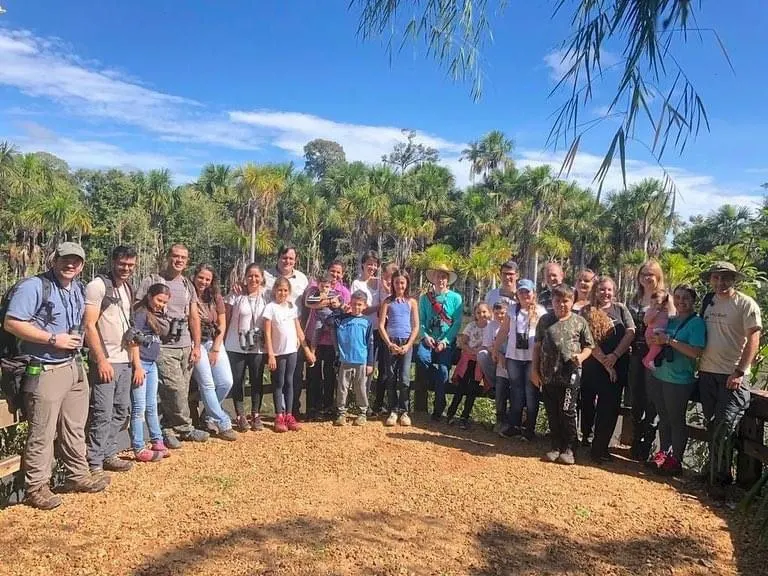
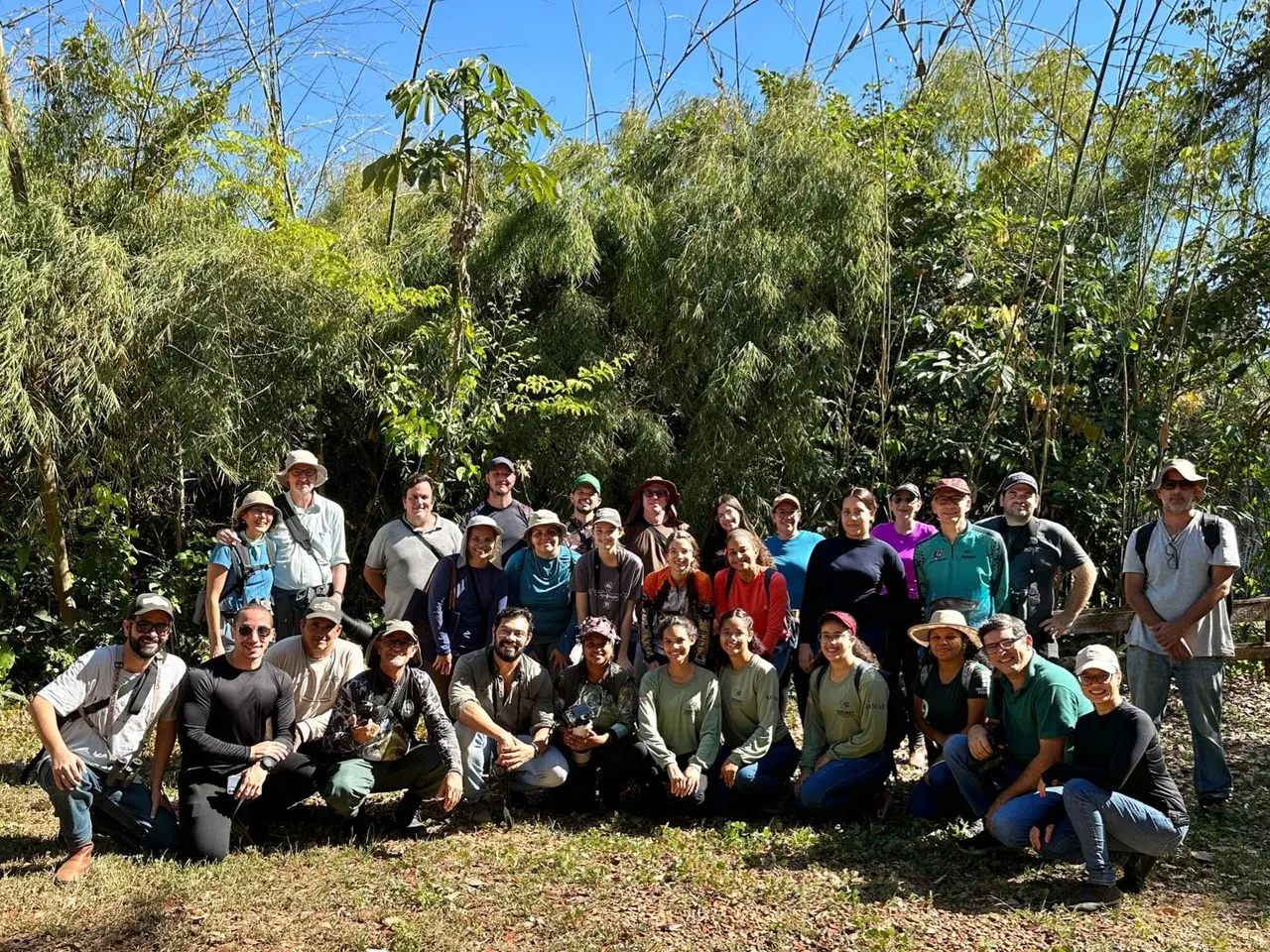
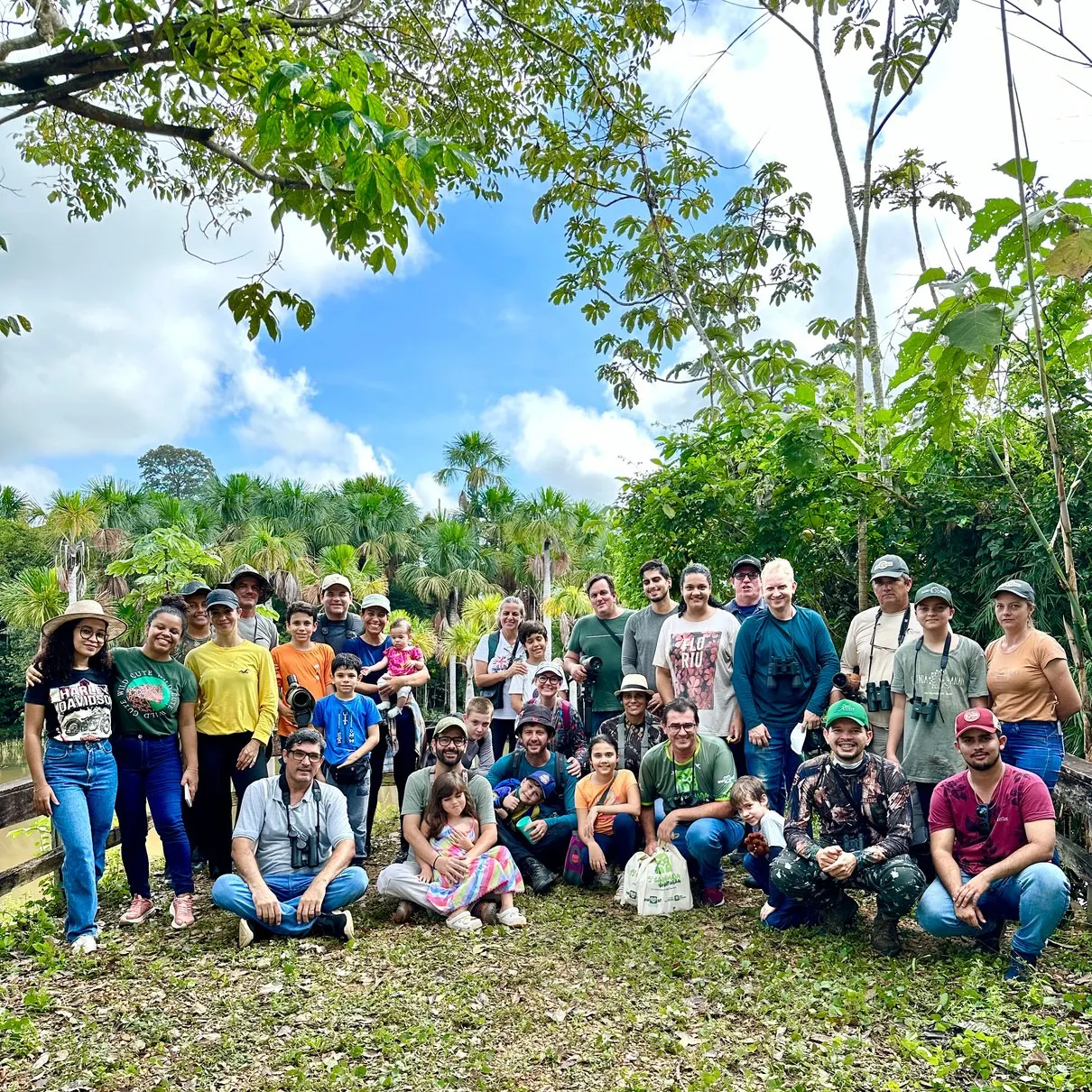
Birdwatching with the community
Birdwatching with the community · 2015
Our own initiative

Vem Passarinhar na Anacã

Birdwatching with the community, since 2015

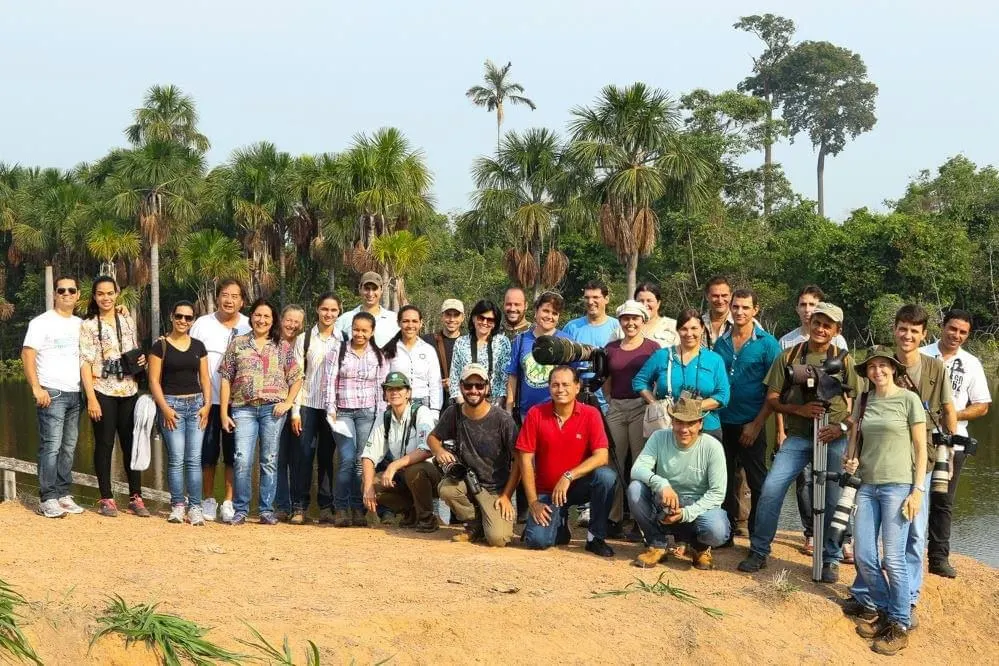
Since 2015, Fazenda Anacã has opened its trails for free birdwatching activities with the local community, In 2019 the lodge hosted field outings and a talk by Silvia Linhares, the Brazilian who has photographed more Brazilian bird species than anyone else; in 2023, with SEBRAE and UNEMAT, it held a nature-photography workshop with photographer Kacau Oliveira.

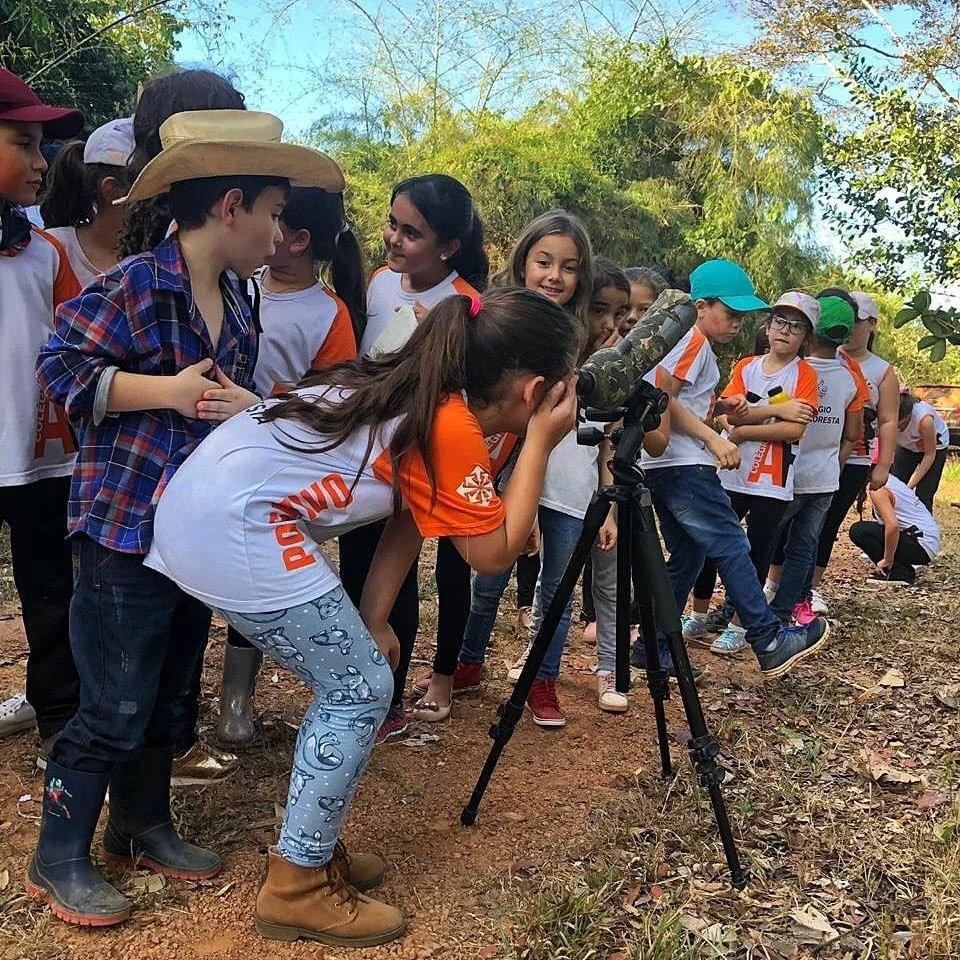
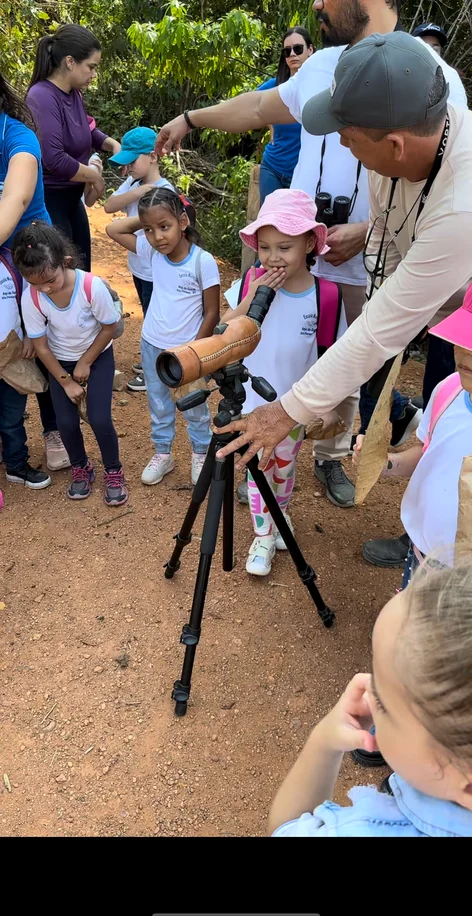
Children watching birds through a spotting scope on an environmental education visit
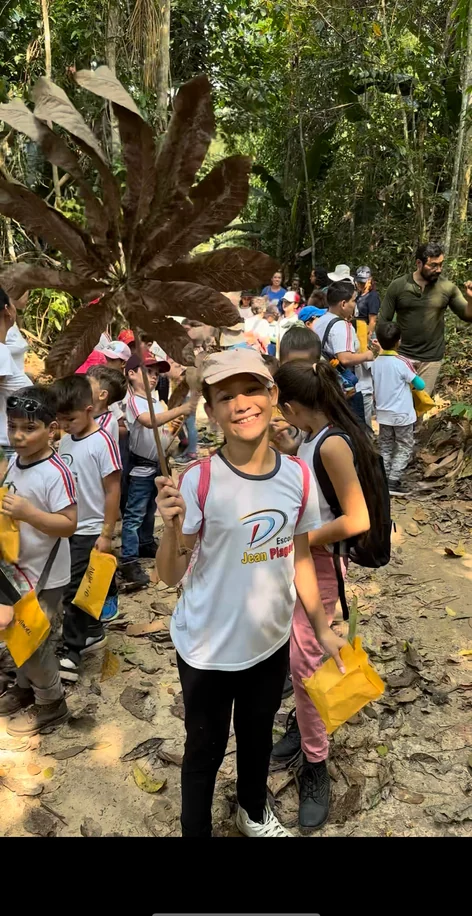
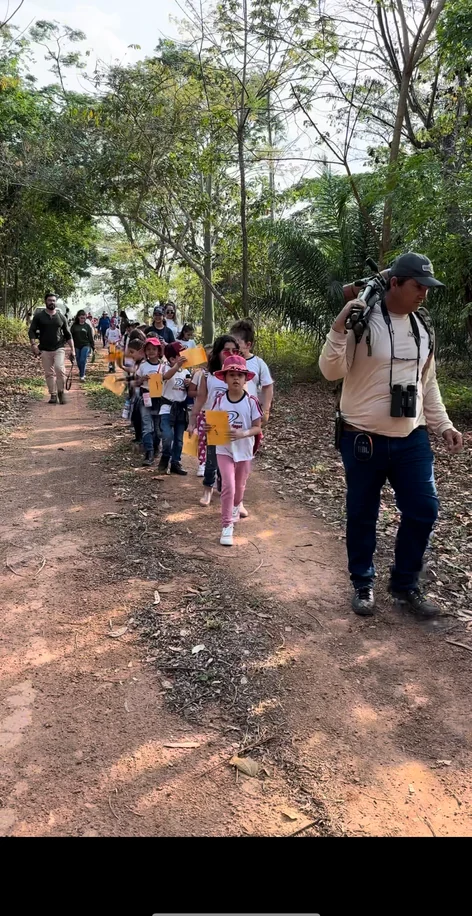
Children on the trail during the visit
A forest walk with the children
A guide showing the children the spotting scope
Partnership

Environmental education

Children, forest and binoculars

Free guided visits for children aged 6 to 8, in partnership with UNEMAT. With binoculars and spotting scopes, bird guides, biologists and monitors lead the children along the trails, among leaves, ant nests, seeds, primates and birds — and the morning ends with a picnic in the lodge garden.

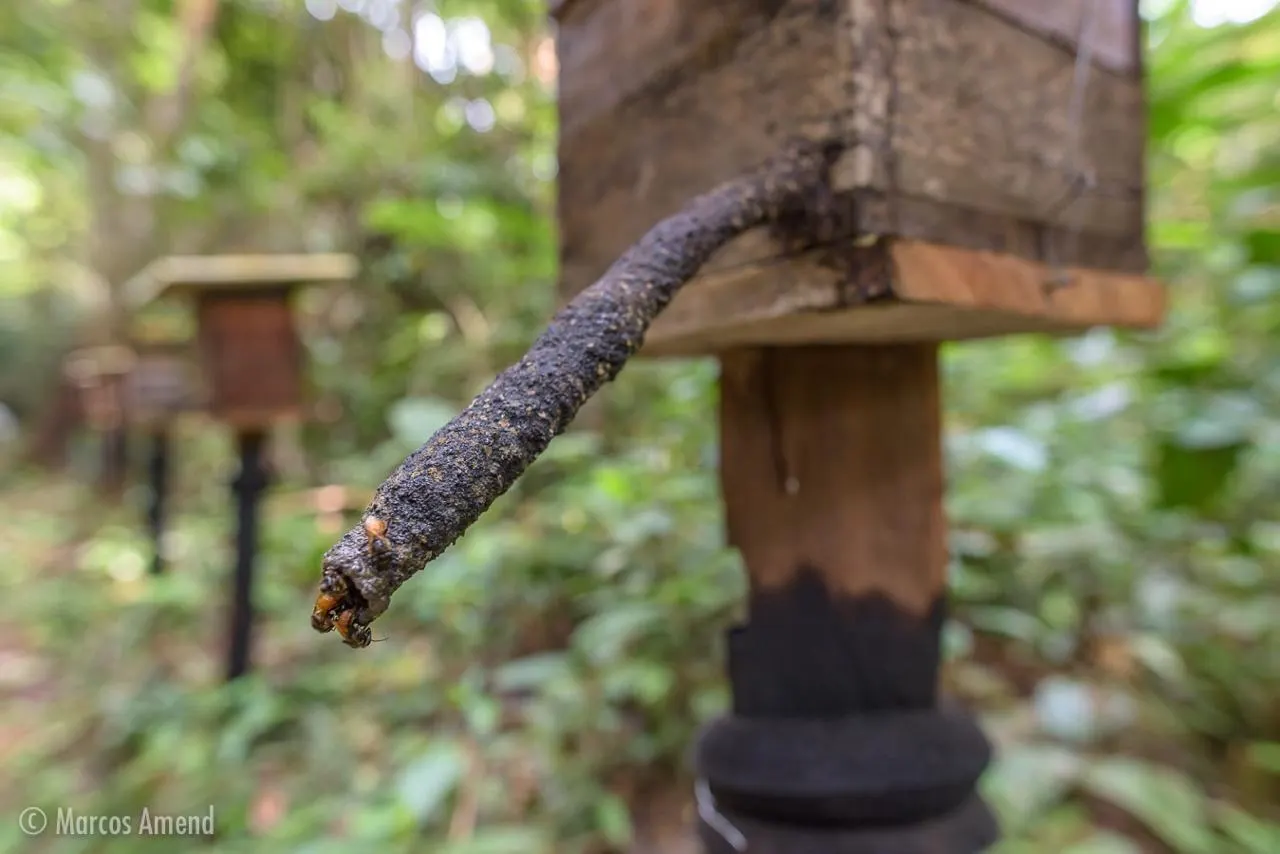
Hive entrance of uruçu-boca-de-renda stingless bees in the meliponary
MeliponárioMarcos Amend
Our own initiative

Stingless beekeeping

Native stingless bees, since 2018

The uruçu-boca-de-renda meliponary began in 2018 to help pollinate the forest restoration areas. Today it also has productive, educational and tourism roles, and guests can visit it on the Stingless Bee Trail.

Stingless Bee Trail

Anacã also takes part in initiatives to strengthen tourism governance in Alta Floresta and the wider region. Institutional role

Timeline

Conservation is a choice we have been making for years

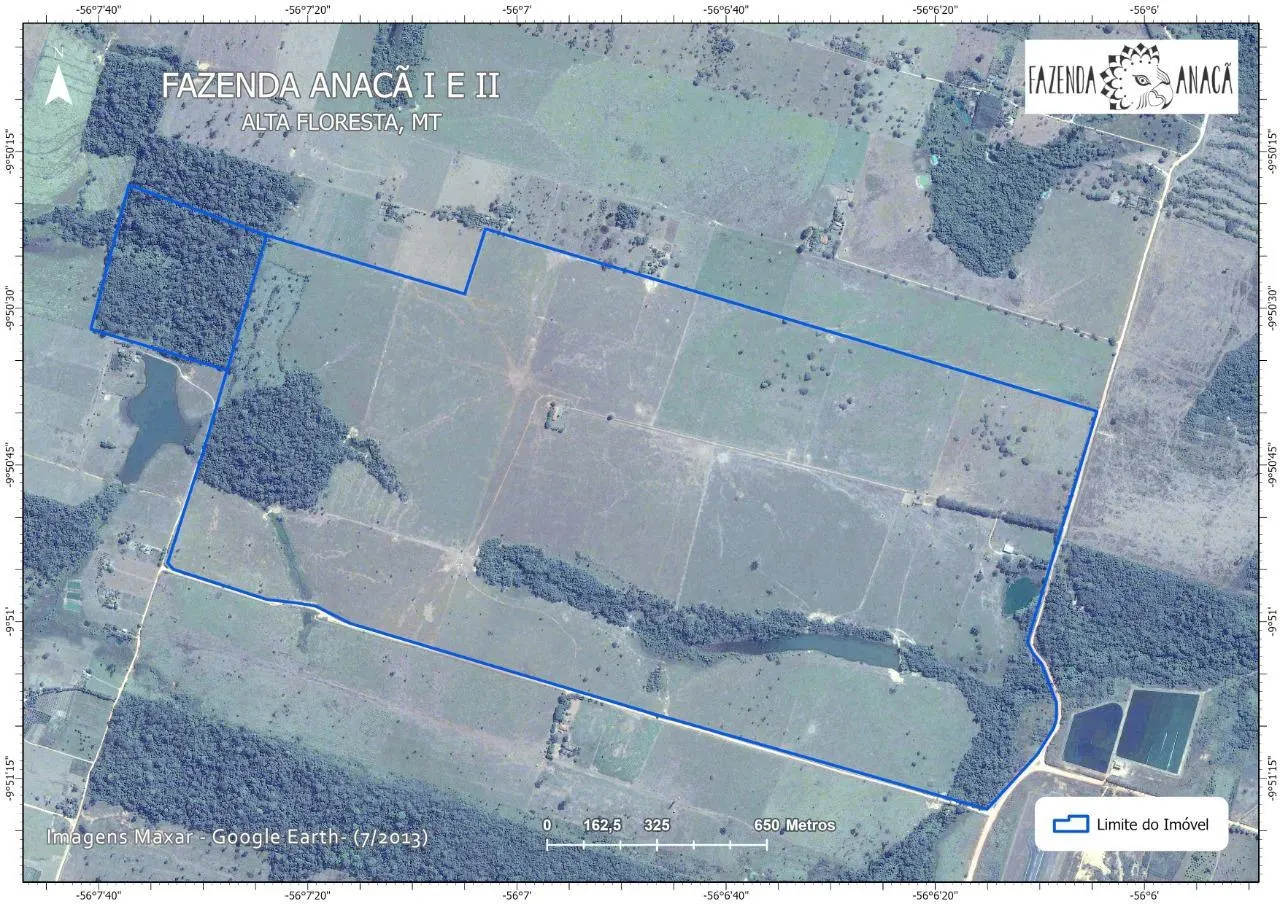
Satellite image of Fazenda Anacã in 2013
Maxar / Google Earth
2013
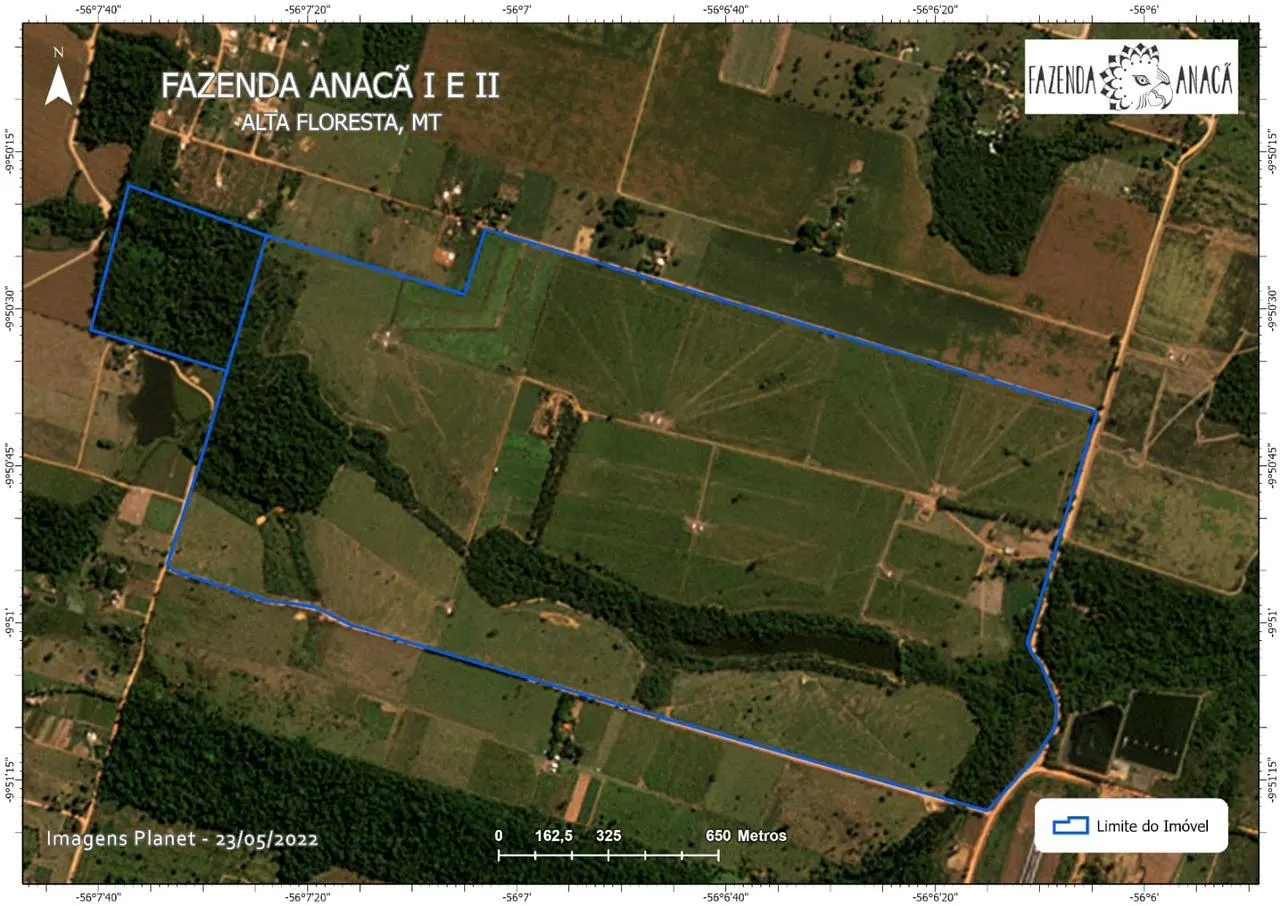
Satellite image of Fazenda Anacã in 2022
Planet
2022

Satellite images of Fazenda Anacã in 2013 and 2022: the growth of green areas is visible both in the widening riparian forest and in the ecological corridors.

  1. 2014

    Arrival at Fazenda Anacã, with the aim of joining tourism and conservation.

  2. 2015

    Community birdwatching activities begin.

  3. 2016

    The Central Ecological Corridor, the lodge-access corridor and the riparian areas are fenced off and restoration begins.

  4. 2018

    Stingless beekeeping begins and, at the end of the year, the land set aside for preservation, the future RPPN, is bought.

  5. 2024

    RPPN Fazenda Anacã is officially created, on 5 September.

  6. 2026

    The Monitora Anacã project gets under way.

See it for yourself

The reserve trail, the Stingless Bee Trail and our wildlife itineraries take guests into the habitats this work protects.